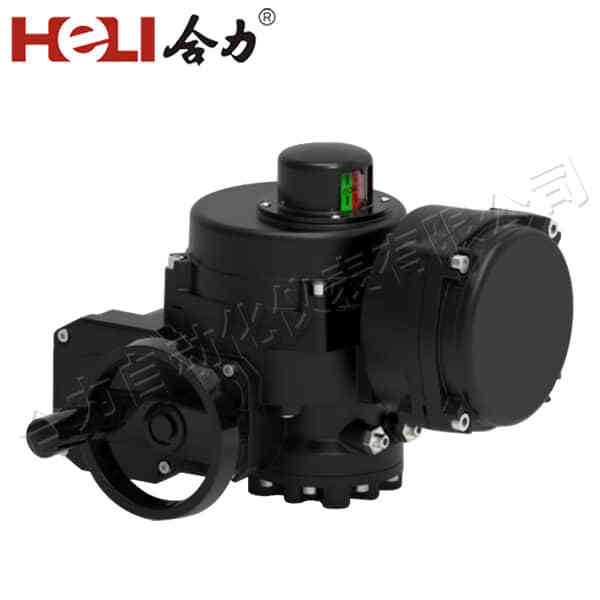
Electric actuators for valves have become an indispensable component in modern industrial control systems, offering precise, reliable, and energy-efficient solutions for valve operation. These devices are widely utilized in a variety of sectors, including water treatment, oil and gas, chemical processing, HVAC systems, and manufacturing. As industries move towards greater automation, electric actuators for valves are proving to be essential in achieving streamlined processes, reducing manual intervention, and improving overall operational efficiency.
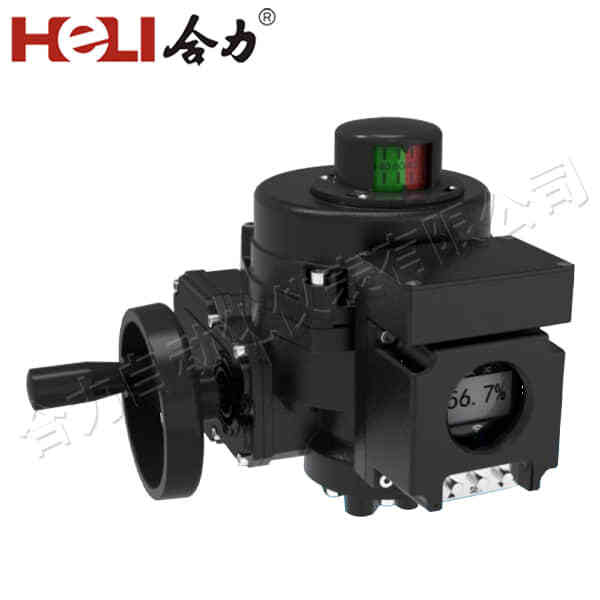
What is an Electric Actuator for Valves?
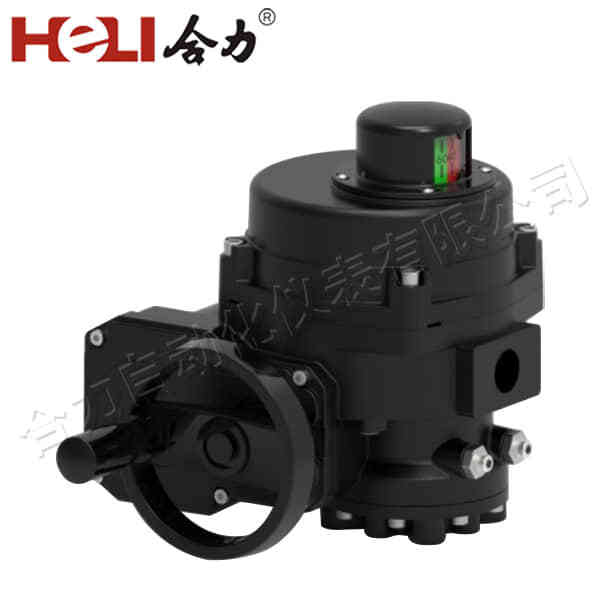
An electric actuator for valves is a type of actuator that uses electrical energy to control the movement of a valve. It converts electrical power into mechanical motion, which can either open or close a valve, or regulate its position in proportion to a control signal. Electric actuators offer a more energy-efficient and accurate solution compared to traditional mechanical or pneumatic actuators, as they do not require additional energy sources like compressed air or hydraulic fluids. Basic Components of an Electric Actuator for Valves Electric Motor: The motor is the heart of the electric actuator. It receives electrical power and converts it into rotary motion. In some actuators, this may be a DC or AC motor, depending on the application requirements.