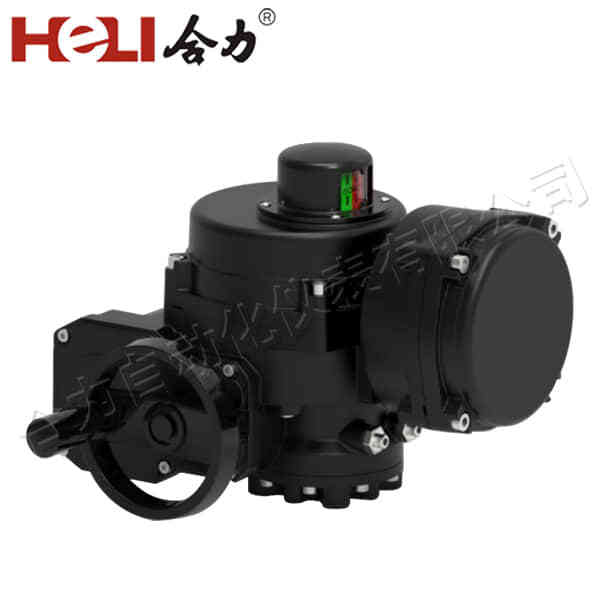
In today’s rapidly advancing world of industrial automation, the need for reliable, precise, and efficient systems is more critical than ever. One of the key technologies enabling this transformation is the electric actuator. These devices have found applications in various industries, from manufacturing to automotive and even healthcare, by converting electrical energy into mechanical motion. This article explores the functionality, types, applications, advantages, and disadvantages of electric actuators, shedding light on why they are essential in modern automation.
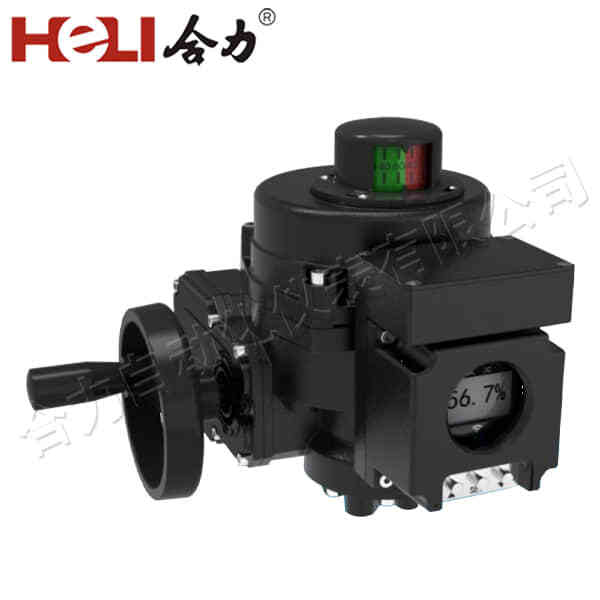
What is an Electric Actuator?
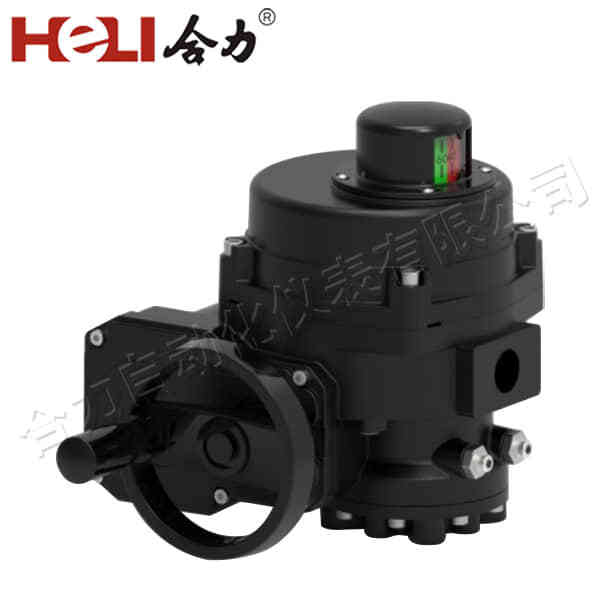
An electric actuator is a mechanical device that uses electrical energy to produce mechanical motion. It typically consists of a motor, a gear system, and a control mechanism that directs the movement. The most common type of electric actuator is the electric motor-driven system, which can produce either rotary or linear motion depending on its design. In rotary actuators, the motor’s rotation is translated into a rotating movement of the output shaft, whereas in linear actuators, the motor’s rotation is converted into a linear force that moves a load along a straight path. Types of Electric Actuators