A 24V 10A relay is an essential component widely used in various electrical systems to control high-power devices with a relatively low-voltage signal. Relays are electromagnetic switches that allow the control of a circuit with a small electrical current, thus providing a safe and efficient way to manage larger power flows. In this article, we will explore the functions, applications, key considerations, and advantages of the 24V 10A relay, providing a comprehensive understanding of its role in different industries.
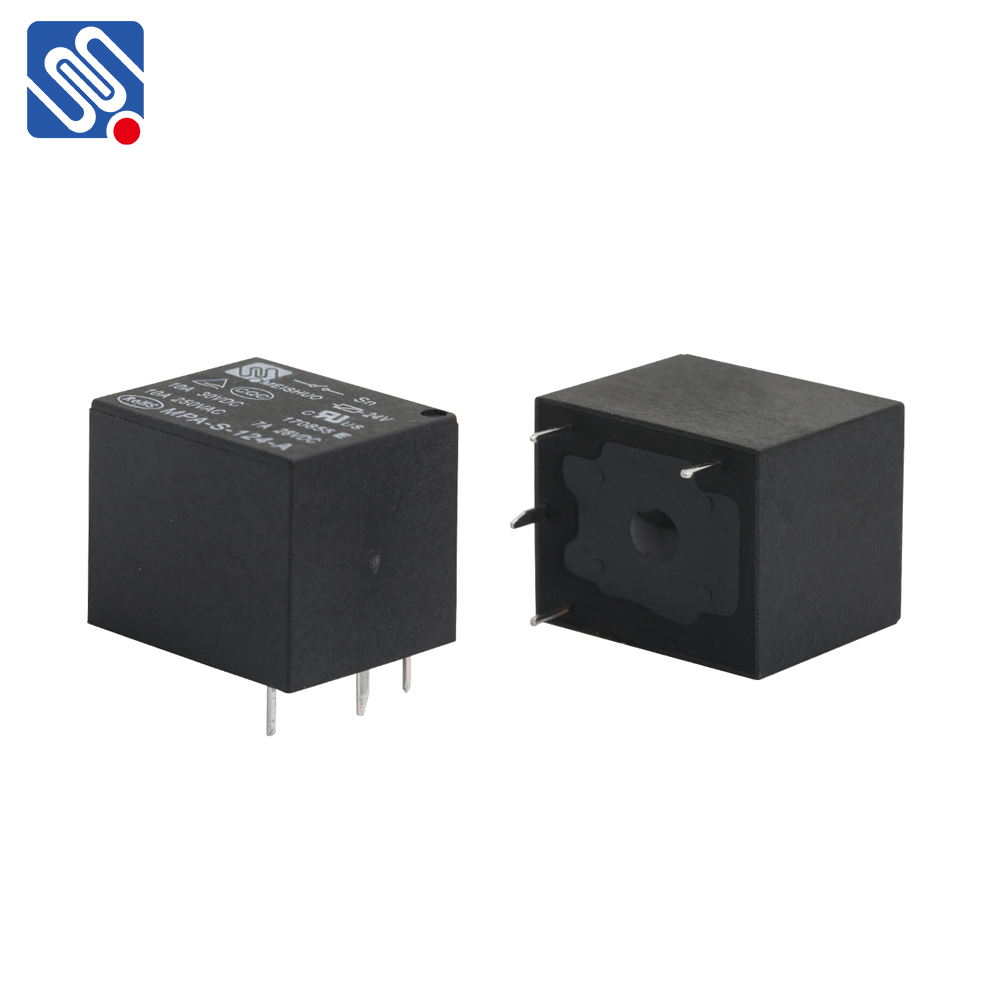
What is a 24V 10A Relay? A 24V 10A relay refers to an electromagnetic switch designed to operate with a 24-volt DC coil voltage and a 10-amp contact rating. The 24V DC coil voltage means that the relay is powered by a 24V direct current supply, which energizes the coil and generates a magnetic field. This magnetic field causes the switch to close or open, controlling the circuit it is connected to. The 10A contact rating signifies that the relay can safely handle a maximum current of 10 amperes on the switchable circuit, making it suitable for a variety of high-power applications. The 24V 10A relay typically comes in a Single Pole Double Throw (SPDT) or Single Pole Single Throw (SPST) configuration, where the common (COM) terminal is connected to either the Normally Open (NO) or Normally Closed (NC) terminal, depending on the required switching action.