In modern electrical systems, safety and reliability are of paramount importance. One device that plays a crucial role in achieving these objectives is the Circuit Breaker Power Relay. This component combines the protective functions of a circuit breaker with the monitoring and control capabilities of a relay, making it an essential element in both industrial and commercial power systems. Understanding its operation, functions, and applications can help engineers and facility managers maintain secure and efficient electrical networks.
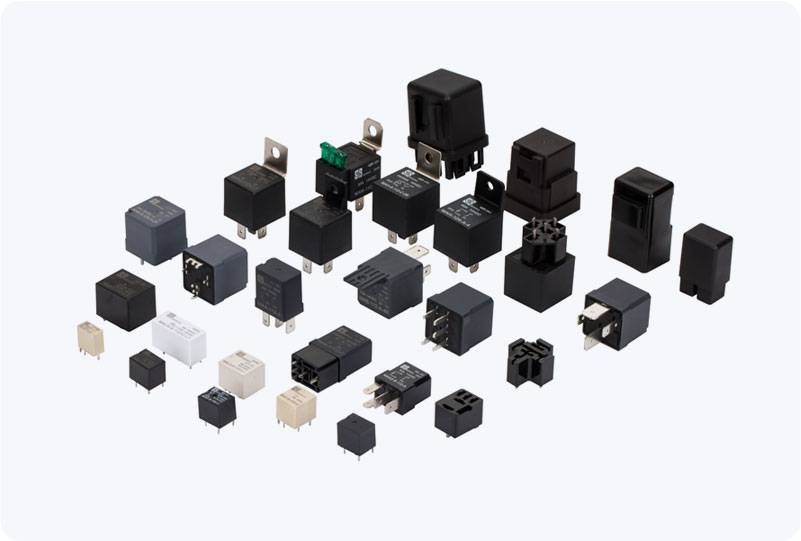
A Circuit Breaker Power Relay is primarily designed to detect abnormal electrical conditions and respond by interrupting the power supply. It safeguards electrical circuits against overcurrent, short circuits, and voltage irregularities. When an electrical fault occurs, such as a sudden spike in current due to a short circuit, the relay senses the deviation and signals the circuit breaker to disconnect the affected section of the network. This rapid response prevents damage to equipment, reduces fire risk, and ensures the safety of personnel. One of the key features of Circuit Breaker Power Relays is their ability to provide overcurrent protection. These relays are calibrated to monitor current flow continuously, and when the current exceeds a predefined threshold, the relay activates the circuit breaker. Unlike simple fuses, which permanently break the circuit, relays allow for automatic or remote resetting, minimizing downtime and operational disruption. Some advanced relays also incorporate adjustable time delays to differentiate between transient surges and sustained faults, reducing the likelihood of unnecessary power interruptions.