In modern electronic and electrical systems, relays play a crucial role in controlling circuits, switching devices, and ensuring efficient operation of equipment. Among the various types of relays available in the market, CE ROHS Certified Relays have gained significant attention due to their strict adherence to safety, quality, and environmental standards. These relays not only guarantee reliable performance but also ensure compliance with regulatory requirements, making them an essential choice for manufacturers and end-users alike.
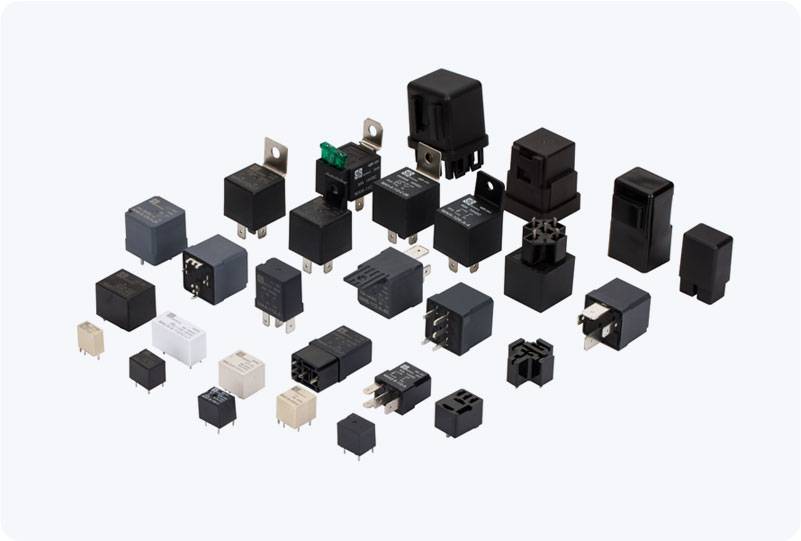
The CE certification is a mark of conformity for products sold within the European Economic Area (EEA). A relay bearing the CE mark indicates that it meets essential health, safety, and environmental protection standards. This certification involves rigorous testing and assessment processes that evaluate the relay’s electrical insulation, mechanical durability, and overall operational safety. By adhering to these standards, CE-certified relays minimize the risk of electrical hazards such as short circuits, overheating, and malfunction, ensuring the protection of both equipment and users. In addition to CE certification, ROHS compliance is another critical aspect of modern relay design. The Restriction of Hazardous Substances (ROHS) directive restricts the use of specific harmful substances, including lead, mercury, cadmium, hexavalent chromium, polybrominated biphenyls, and polybrominated diphenyl ethers. A relay that is ROHS certified ensures that its materials do not exceed the maximum allowable limits of these hazardous substances. This compliance significantly reduces the environmental impact of electronic waste and minimizes potential health risks associated with exposure to toxic chemicals. Manufacturers using ROHS-compliant relays contribute to sustainable practices and align with global efforts to reduce environmental pollution.