Relays are integral components in automotive electrical systems, allowing for the control of high-power devices using low-power signals. A car relay acts as an electrical switch, enabling or disabling the flow of electricity to various parts of the vehicle. They come in various types, each serving a specific function and application. In this article, we will explore the most common types of car relays, their working principles, and typical uses in modern vehicles.
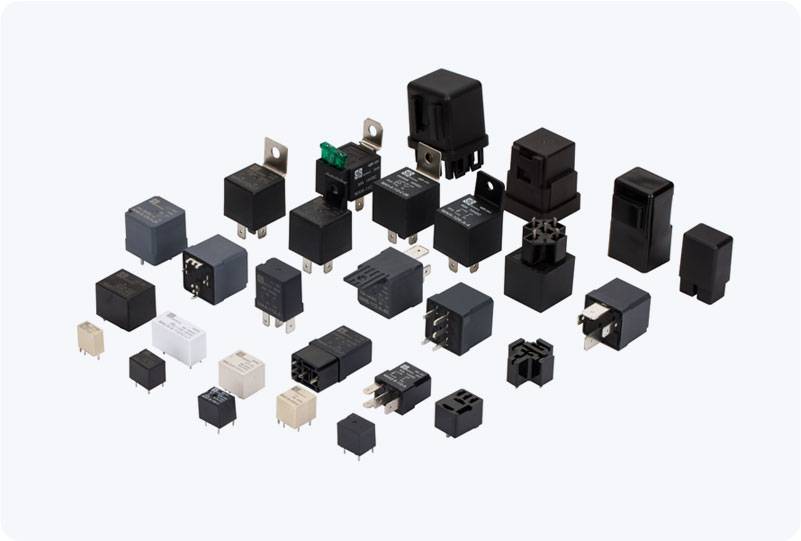
1. Normally Open Relay (NO Relay) The Normally Open (NO) relay is the most common type used in automotive circuits. In its default state, the relay’s contacts are open, meaning no current flows through the circuit. When the relay is activated by an electrical signal, the contacts close, allowing current to flow and the device to be powered. Applications: NO relays are used in a wide range of automotive applications, including controlling headlights, horns, and other devices that need to be turned on or off depending on the state of the vehicle’s electrical system. 2. Normally Closed Relay (NC Relay)