Capacitors play a critical role in many electronic circuits, particularly in power systems, where they are used to store and filter energy. However, when powering up large capacitors, a sudden surge of current can cause significant damage to both the capacitor and the power supply. To prevent such issues, a capacitor precharge circuit relay is often implemented. This circuit helps ensure that capacitors are gradually charged, protecting the system from inrush current and ensuring a longer lifespan for the components involved.
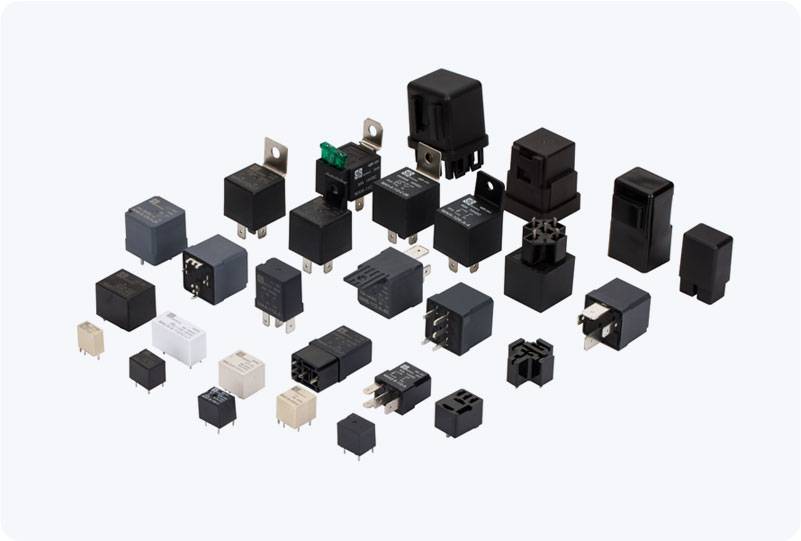
The Need for Capacitor Precharge Circuit Relay When a capacitor is initially connected to a high-voltage power supply, it is in an uncharged state. If connected directly, a large current will flow through the capacitor as it charges, which is known as inrush current. This surge can stress the power supply, potentially causing damage to sensitive components, or even lead to failure of the capacitor itself. The solution to this problem is a precharge circuit relay, which allows the capacitor to be charged slowly, mitigating the risk of damaging current spikes. The precharge relay circuit works by using an intermediate resistor that limits the initial current flow, allowing the capacitor to charge gradually. As the capacitor charges and its voltage increases, the relay eventually closes, connecting the capacitor to the power supply for normal operation. This system ensures that the transition from zero voltage to full voltage is smooth, without harmful current surges.