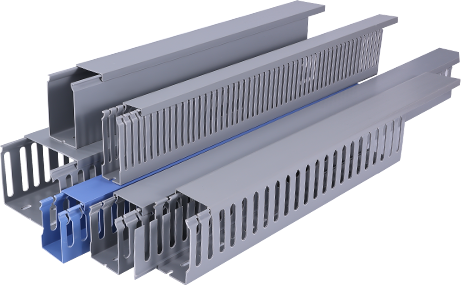
When we talk about aviation technology, most people focus on powerful jet engines, advanced flight control displays, or lightweight composite fuselages, few stop to consider the small but critical component that keeps every modern aircraft’s electrical system organized and safe: Aviation Wiring Duct. This specialized cable management solution is far more than a simple plastic or metal channel; it is a precision-engineered component designed to meet the extreme demands of aerospace environments, where a single wiring failure can lead to catastrophic consequences. As modern aircraft become more electrically complex, with hundreds of sensors, communication systems, and control units relying on distributed power and data signals, the role of high-quality aviation wiring duct has grown exponentially in importance. Today’s commercial and military aircraft can carry more than 100 miles of electrical wiring, and without proper routing and protection from environmental hazards, this vast network would quickly become a source of risk and inefficiency.
First, it is important to understand the core functional requirements that set aviation wiring duct apart from standard industrial cable management solutions. Unlike wiring ducts used in office buildings or factory equipment, aviation-grade ducts must withstand a wide range of extreme conditions that would destroy ordinary components. Aircraft operate at altitudes where temperatures can drop to -55 degrees Celsius, and experience rapid temperature shifts during climb and descent that can cause thermal expansion and contraction. They must also resist constant vibration from engine operation and turbulence, which can loosen improperly secured wiring and cause abrasive damage over time. Additionally, aviation wiring ducts must meet strict flame retardancy and low smoke toxicity standards, as any fire on board an aircraft is an immediate threat to passenger and crew safety. These requirements mean that most aviation wiring ducts are manufactured from specialized materials, such as modified polyamide, fiberglass-reinforced epoxy, or lightweight aluminum alloys, that balance strength, weight resistance, and flame resistance to meet aerospace regulatory standards.
Secondly, proper design and installation of aviation wiring duct play a key role in reducing aircraft weight and improving overall fuel efficiency, two top priorities for modern aerospace manufacturers. Every extra pound of weight on an aircraft increases fuel consumption over its service life, so wiring duct designers must constantly innovate to create stronger, more protective solutions that weigh less than previous generations. Modern manufacturing techniques such as injection molding and precision extrusion allow for thinner duct walls with integrated reinforcing ribs, cutting weight without sacrificing structural integrity. For example, many new commercial aircraft programs use segmented, snap-fit wiring duct systems that eliminate the need for heavy metal fasteners, reducing overall weight by up to 15 percent compared to traditional riveted duct installations. This weight reduction translates directly to lower operating costs for airlines and reduced carbon emissions per flight, making smart wiring duct design a quiet contributor to the aviation industry’s sustainability goals.
Additionally, aviation wiring duct contributes significantly to the long-term maintainability and reliability of aircraft electrical systems. Commercial aircraft are expected to operate for 25 to 30 years, often in harsh environments ranging from the humid tropics to the dry, dusty polar regions. Well-designed wiring ducts protect cables from abrasion against sharp aircraft structural components, prevent damage from fluid leaks such as hydraulic oil or fuel, and keep wiring organized so that maintenance technicians can quickly identify and repair faulty lines during routine inspections. Many modern aviation wiring duct systems feature open-side designs or removable covers that allow technicians to access specific wiring runs without removing entire duct sections, cutting down maintenance time and reducing aircraft downtime on the ground. This accessibility is especially important for aging aircraft fleets, where regular wiring inspections are required to prevent aging-related failures such as insulation cracking or short circuits.
Furthermore, the rise of more electric aircraft (MEA) and next-generation urban air mobility (UAM) vehicles has created new design challenges and opportunities for aviation wiring duct innovation. More electric aircraft replace traditional hydraulic and pneumatic systems with electrical alternatives, requiring significantly more wiring and higher voltage power distribution than conventional aircraft. This means aviation wiring ducts must now provide enhanced electrical insulation and electromagnetic interference (EMI) shielding to prevent cross-talk between high-voltage power lines and sensitive data communication cables. For UAM vehicles such as electric vertical take-off and landing (eVTOL) aircraft, which require even greater weight reduction and compact packaging, manufacturers are developing custom-molded wiring ducts that integrate directly into aircraft composite structures, eliminating redundant components and saving valuable space. These innovations are pushing the aviation wiring duct industry to develop new material blends and design concepts that can meet the demands of the next generation of air transportation.
In conclusion, aviation wiring duct is a critical but often overlooked component that underpins the safety, efficiency, and reliability of modern aircraft. From meeting extreme environmental and regulatory requirements to enabling weight reduction and supporting next-generation electric aviation technology, this humble cable management solution plays an outsize role in keeping aircraft flying safely. As the aviation industry continues to evolve toward more sustainable, electric, and connected air travel, the demand for innovative, high-performance aviation wiring duct will only continue to grow. Recognizing the engineering and innovation that goes into these components helps us appreciate the countless small details that make modern air travel one of the safest and most efficient forms of transportation in the world.