Automation has been at the heart of modern technological advancements, particularly in industries where efficiency, reliability, and safety are crucial. One key innovation that has significantly contributed to this progress is the Automation Relay. As an essential component in various automated systems, an Automation Relay enables seamless control, monitoring, and automation of processes through remote connectivity. In this article, we will explore the concept of Automation Relay, its applications, benefits, and its role in shaping the future of automation.
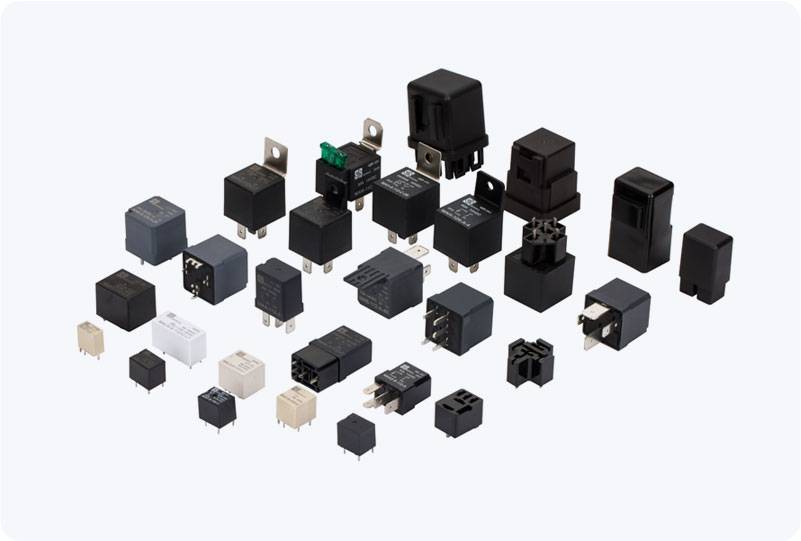
What is an Automation Relay? An Automation Relay is a device used to control electrical circuits remotely through automated signals or systems. It can either be a physical relay with the ability to switch on or off an electrical circuit or a virtual relay used within software systems to trigger actions automatically. These relays are integral to industrial, commercial, and residential automation, allowing for streamlined processes and reducing the need for manual intervention. The core function of an automation relay is to enable remote control, monitoring, and scheduling of various operations. For example, in an industrial setting, an Automation Relay can control the operation of machines, lights, or pumps based on specific triggers like time, temperature, or sensor inputs. These relays can communicate with control systems via protocols such as Modbus, Zigbee, Wi-Fi, and Bluetooth, ensuring high levels of flexibility and integration with existing automation infrastructure.