In the world of electric circuits and automated systems, power relays serve as crucial components for managing electrical load. However, one of the significant challenges faced in the operation of power relays is the phenomenon known as contact welding. The Power Relay Contact Welding Solution aims to address this issue by providing comprehensive strategies to prevent and mitigate contact welding occurrences, ensuring the reliability and longevity of relays in various applications.
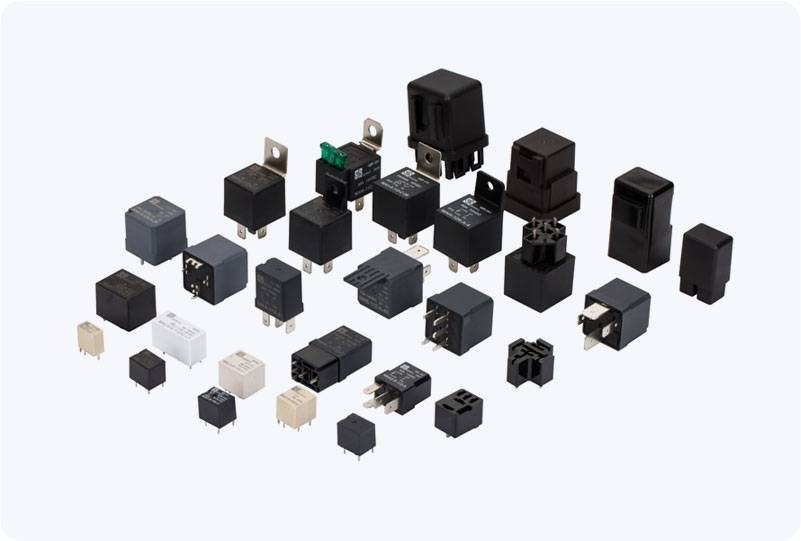
Contact welding occurs when the relay contacts become fused together due to sustaining a high current load or experiencing voltage spikes during switching operations. This can lead to dangerous situations, including equipment failure, system downtime, or, in critical applications, catastrophic failures. As a result, understanding the underlying causes of contact welding and implementing effective solutions is paramount for manufacturers and users alike. Causes of Contact Welding Several factors contribute to contact welding in power relays: Inrush Current: When electrically powered devices are switched on, they often experience a surge of current known as inrush current, which is significantly higher than the normal operating levels. If the relay contacts are not designed to handle this surge, they can weld together.