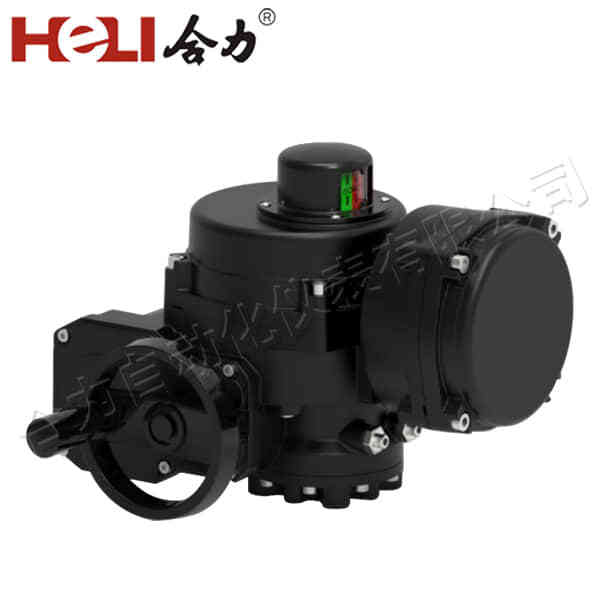
Electric actuators for valves have become a cornerstone in modern industrial automation, offering precise, efficient, and reliable control over the flow of liquids, gases, and other substances. As industries continue to evolve and demand higher efficiency, these actuators have proven to be essential components in various applications such as power plants, water treatment facilities, chemical plants, and oil & gas industries. This article explores the key benefits, working principles, and applications of electric actuators for valves, highlighting their growing importance in automation systems.
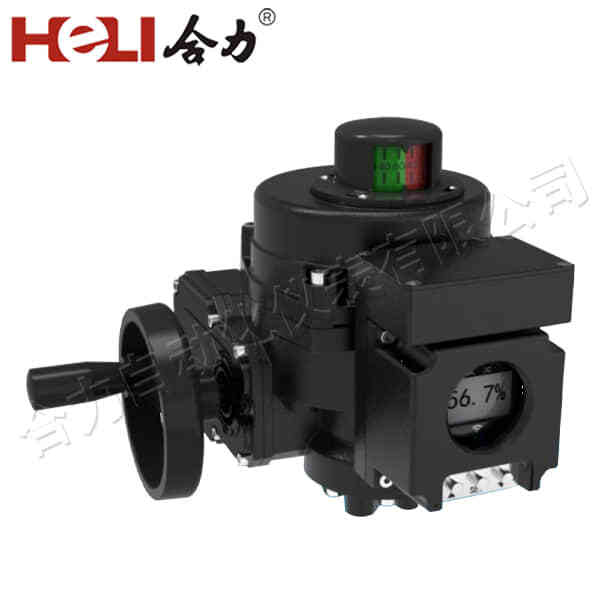
What is an Electric Actuator for Valves?
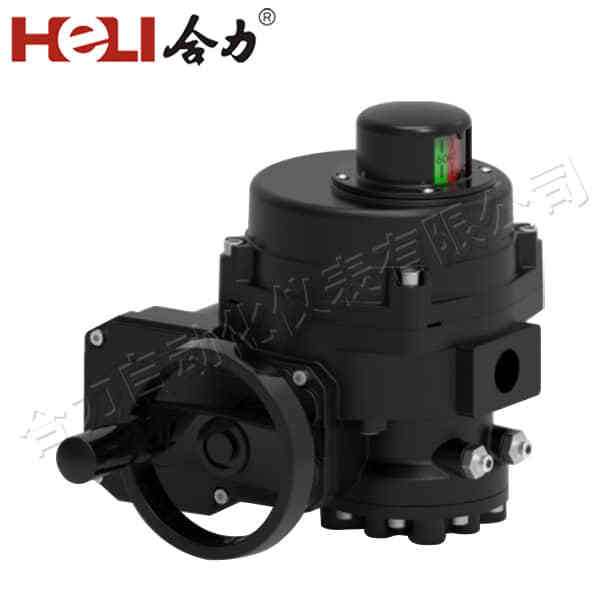
An electric actuator for valves is an electromechanical device that uses electric energy to operate a valve. The actuator converts electrical signals into mechanical motion, enabling the valve to open, close, or modulate flow. Unlike manual valve actuators that require human intervention, electric actuators provide automated and remote control, offering superior precision and responsiveness. These actuators are commonly equipped with a motor, gear system, and an electronic control system. The motor drives the valve mechanism, while the electronic system controls the motor’s movement based on the input signal received from a control system, such as a programmable logic controller (PLC). The design and configuration of the electric actuator can vary depending on the type of valve it is intended to operate, such as ball valves, butterfly valves, gate valves, or globe valves.