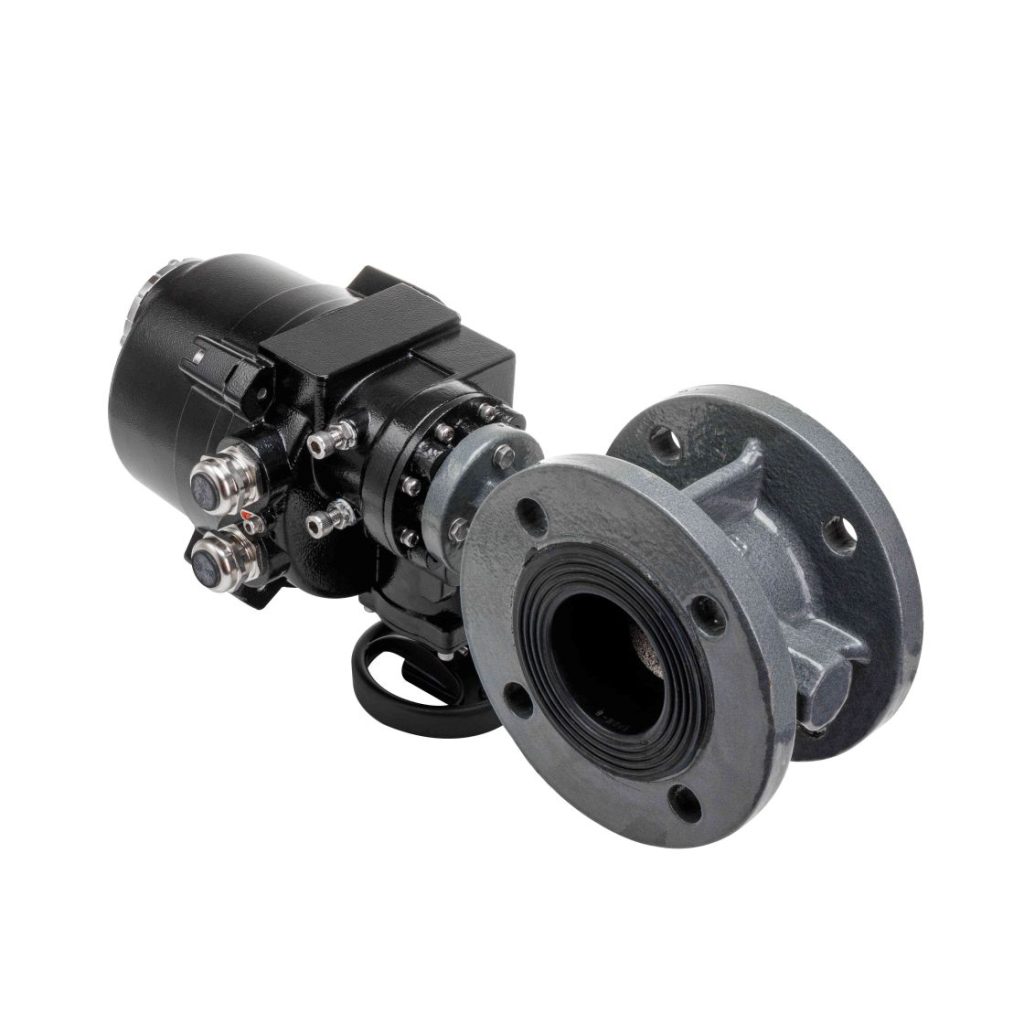
In the modern marine industry, automation plays a crucial role in ensuring operational efficiency, safety, and reliability. One of the most important components in marine automation systems is the ball valve, which controls the flow of liquids and gases in a wide range of applications. Marine electric ball valves, in particular, have become indispensable for managing various systems on board ships, oil rigs, and other maritime vessels. These valves are powered by electric actuators, offering precise control over the valve’s position, making them an essential component for modern marine systems.
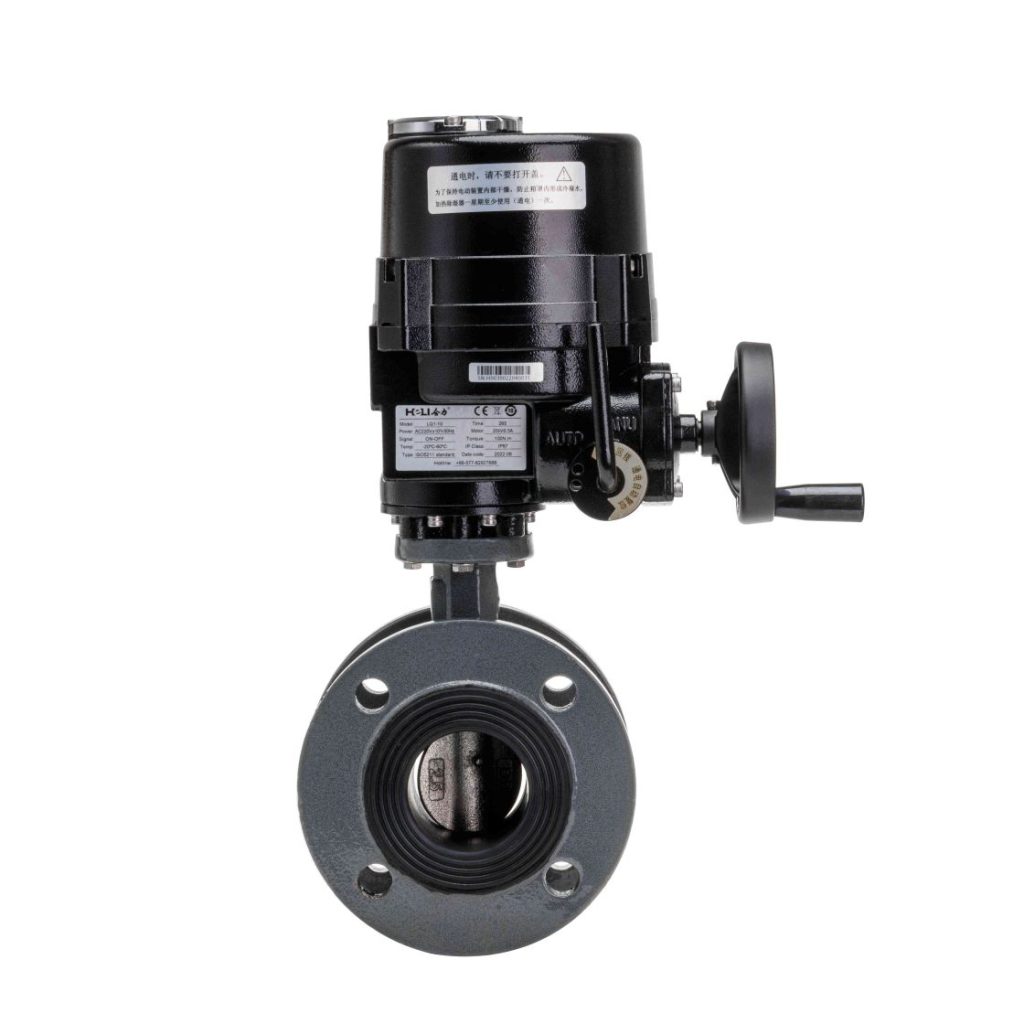
What is a Marine Electric Ball Valve?
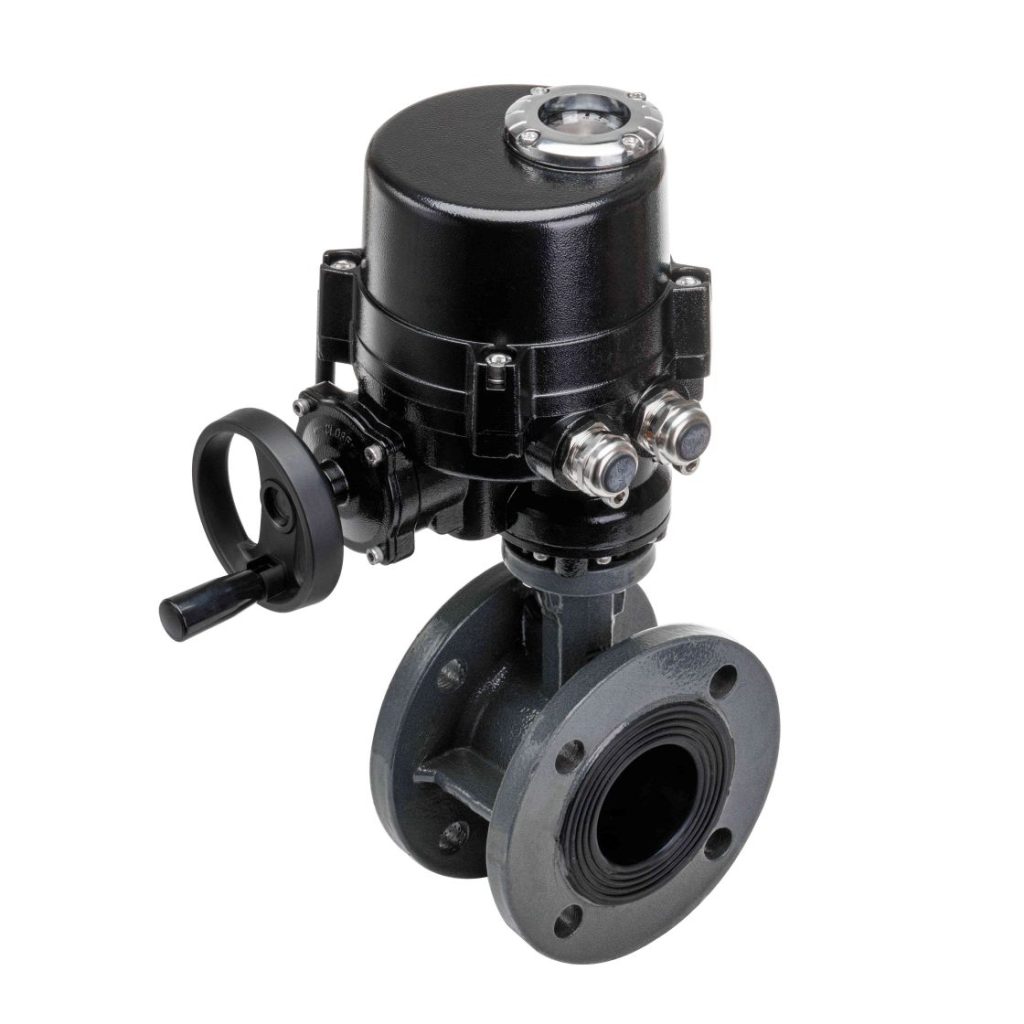
A marine electric ball valve is a type of valve that uses an electric actuator to operate a ball inside the valve body, regulating the flow of fluids or gases. The “ball” refers to the spherical component inside the valve, which features a hole or port that allows fluid to pass through when aligned correctly. Electric actuators, in turn, control the movement of this ball by rotating it, either opening or closing the valve to start or stop the flow of the medium. The primary advantage of using an electric actuator is the precise control it offers. Unlike manual or pneumatic valves, electric ball valves can be easily controlled remotely or programmed into an automated system. This makes them ideal for use in critical marine applications, where efficiency, safety, and remote monitoring are paramount.