The electric two-seat regulating valve is a critical component in various industrial applications, providing precise control over fluid flow and pressure in piping systems. These valves are designed to enhance operational efficiency and ensure optimal performance in processes where accurate flow regulation is essential. In this article, we will delve into the functionality, advantages, and applications of electric two-seat regulating valves.
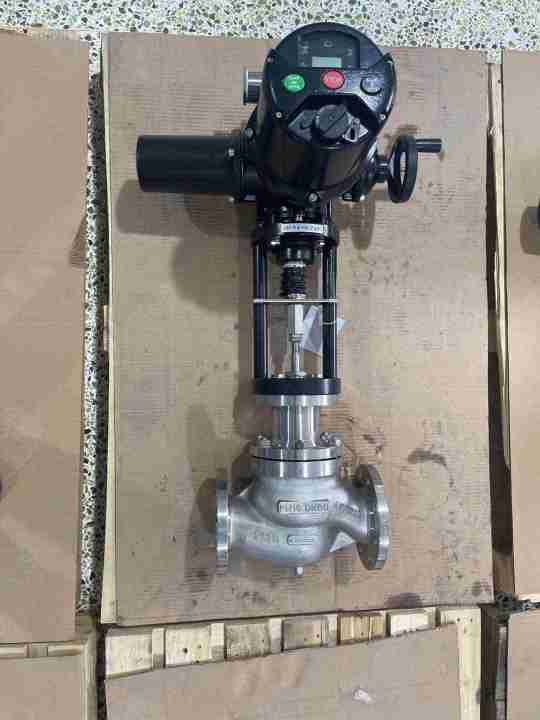
Functionality The electric two-seat regulating valve consists of two separate seats that work in tandem to modulate the flow of fluids. This design allows for a greater range of control compared to traditional single-seat valves. The valve operates using an electric actuator, which receives signals from a control system to adjust the position of the valve accordingly. By altering the opening between the seats, the valve can maintain the desired flow rate or pressure, making it an ideal choice for processes requiring precision. Advantages One of the ultimate advantages of electric two-seat regulating valves is their accuracy. The dual-seat design allows for finer adjustments, which is crucial in applications such as chemical processing, HVAC systems, and water treatment. Additionally, electric actuators offer rapid response times, enabling real-time adjustments that enhance system responsiveness.