Industrial relays play a crucial role in modern electrical and automation systems, ensuring the efficient operation and safety of equipment by providing protection and control functions. The IEEE (Institute of Electrical and Electronics Engineers) has established various standards for industrial relays, which are essential in setting guidelines for their design, performance, and testing. These standards help ensure that relays operate reliably in demanding industrial environments, minimizing the risk of equipment failure and enhancing the overall safety of electrical systems. This article explores the key IEEE standards for industrial relays, their importance, and their role in maintaining operational integrity in industrial systems.
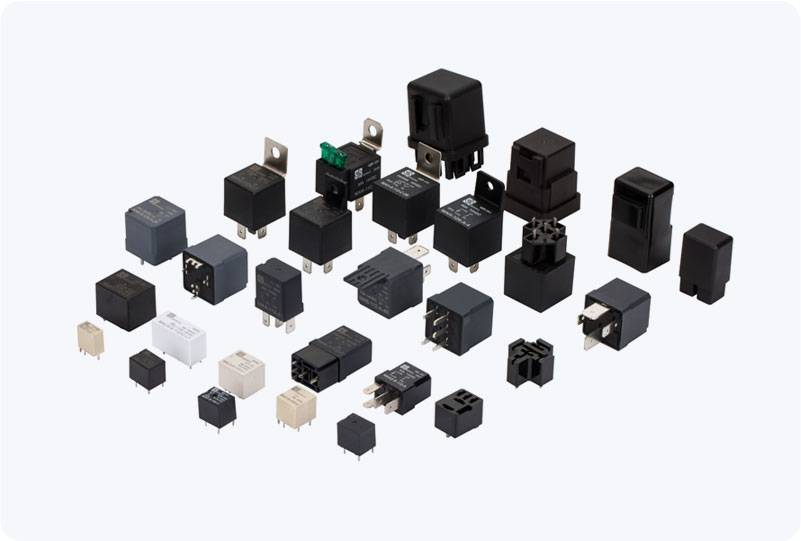
Understanding the Role of Industrial Relays Industrial relays are electromechanical or solid-state devices used to control circuits by opening or closing contacts in response to electrical signals. They are typically used in power systems, manufacturing plants, automation controls, and other industrial settings to protect equipment from electrical faults and ensure smooth system operation. Relays are vital for tasks such as overload protection, fault detection, system control, and automation processes. Their ability to react quickly to abnormal conditions makes them indispensable in preventing damage to machinery and ensuring the safety of personnel.