Relay power supply systems play a critical role in various electrical applications by offering reliable switching capabilities and efficient power management. These systems are essential in automating the operation of electrical circuits, ensuring protection, and enabling flexible control. In this article, we will explore the functioning, applications, and advantages of relay power supplies.
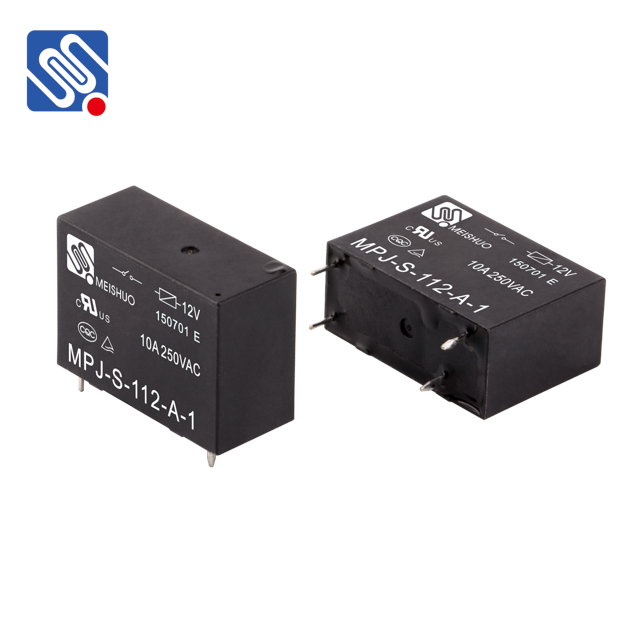
What is a Relay Power Supply? A relay power supply is an electrical system that uses relays to control the flow of electrical power in circuits. A relay is an electromechanical device that allows the control of a high-power circuit by a low-power signal. The primary function of a relay is to open or close contacts in the power supply circuit, turning the power on or off based on the control input. This simple but effective mechanism enables precise power management and fault protection in various systems. How Does a Relay Power Supply Work? The operation of a relay power supply relies on the basic principle of electromagnetism. The relay contains a coil of wire and a set of contacts. When an electric current is passed through the coil, it generates a magnetic field, which causes the relay’s contacts to move, thus either closing or opening the circuit. This allows the relay to control a high-voltage circuit using a low-voltage control signal.