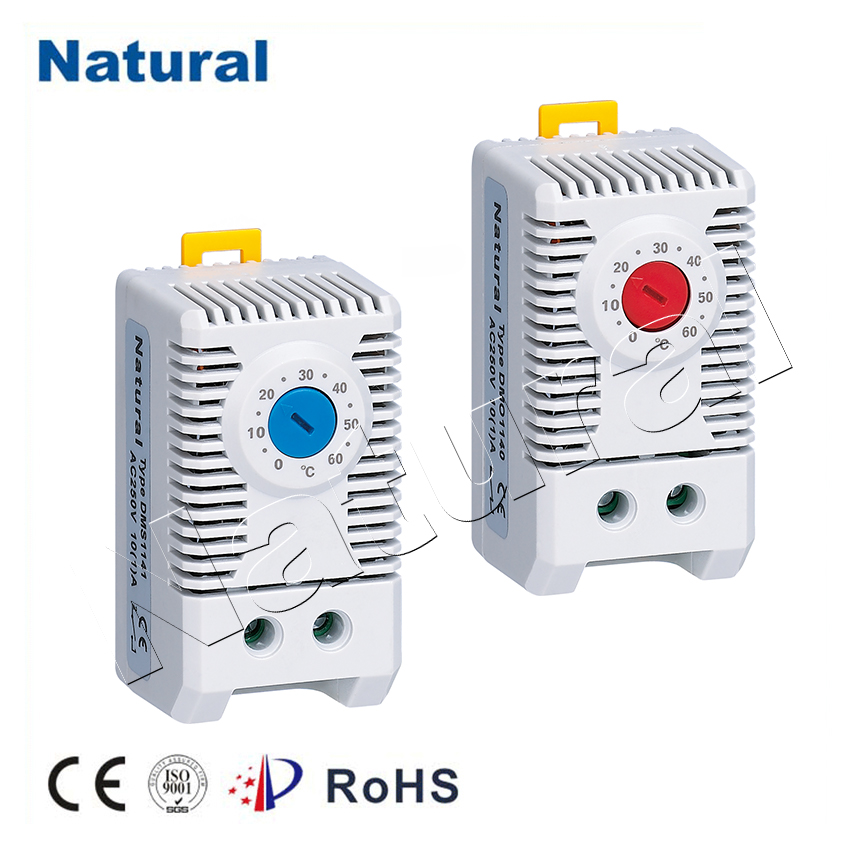
A 24V DC thermostat is a key component in many modern electrical systems, particularly in heating, ventilation, and air conditioning (HVAC) systems, as well as in various industrial and residential applications. Understanding its role, how it operates, and why it is commonly used can help users, technicians, and engineers make informed decisions about their heating and cooling systems. This article will explore the significance, functionality, and advantages of a 24V DC thermostat, shedding light on its widespread use in today’s technology-driven world.
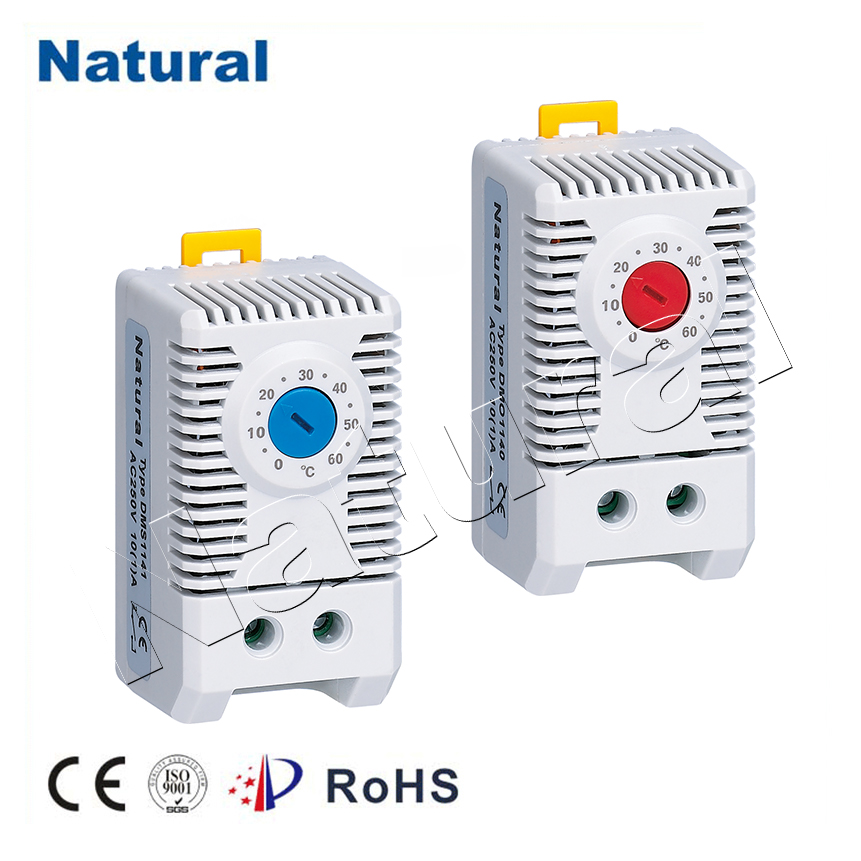
What is a 24V DC Thermostat?
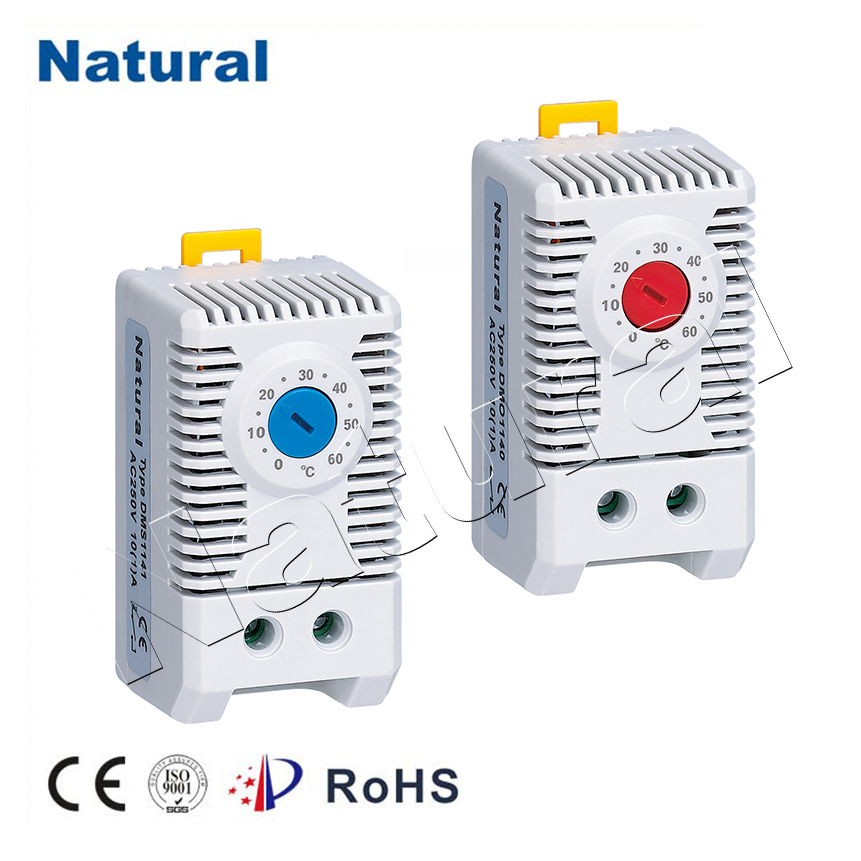
A 24V DC thermostat is a device that monitors and controls the temperature within a specific space by regulating a heating or cooling system. It operates using 24-volt direct current (DC) power, which is considered a low-voltage and safe option for both residential and commercial systems. These thermostats are often used in systems where safety, efficiency, and precision are important, such as in industrial equipment, home HVAC systems, and automotive applications. The thermostat itself typically features a temperature-sensing component (such as a thermistor or thermocouple) that detects changes in ambient temperature. Based on this reading, the thermostat sends a signal to activate or deactivate a connected device, such as a heater, air conditioner, or ventilation system. The 24V DC power supply ensures that the system is energy-efficient and provides a reliable control mechanism without requiring high-voltage wiring or complex installations.