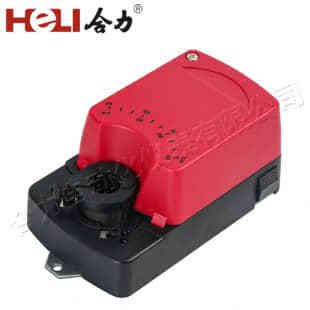
Damper actuators play a crucial role in controlling airflow within heating, ventilation, and air conditioning (HVAC) systems. These devices, often referred to as the “muscles” of an HVAC system, regulate the position of dampers to ensure optimal airflow, temperature regulation, and system efficiency. By adjusting the opening or closing of dampers, these actuators help achieve a balance between energy consumption and environmental comfort. In this article, we will explore the function, types, and applications of damper actuators, highlighting their significance in modern HVAC systems.
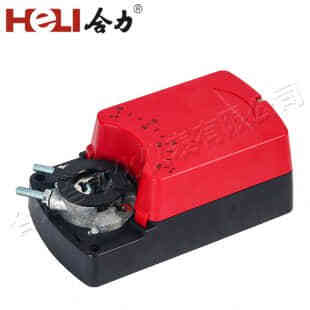
What is a Damper Actuator?
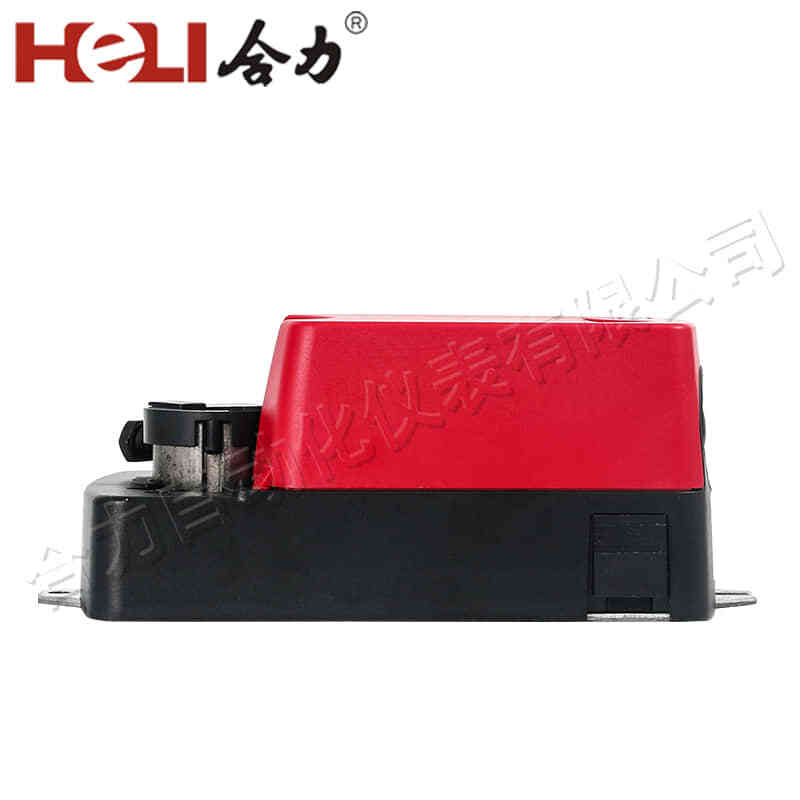
A damper actuator is a mechanical device that operates dampers, which are components used to regulate the flow of air or gases through ducts or chimneys. The actuator adjusts the position of the damper blades, either opening or closing them to modulate airflow. This can be done automatically in response to changes in the system or controlled manually based on user input. The actuation process is typically powered by electrical, pneumatic, or hydraulic means, depending on the type of actuator. Types of Damper Actuators Electric Damper Actuators: Electric damper actuators are the most common in modern HVAC systems. These actuators use electric motors to control the movement of dampers. Electric actuators can be further divided into two types: