High Voltage Distribution Relays (HVDR) play a crucial role in ensuring the protection and reliable operation of high-voltage electrical systems. These devices are designed to detect abnormal conditions such as overloads, short circuits, and equipment failures, and act swiftly to disconnect the faulty section of the system. This article explores the functionality, importance, and applications of High Voltage Distribution Relays, emphasizing their critical role in the safe and efficient operation of power distribution networks.
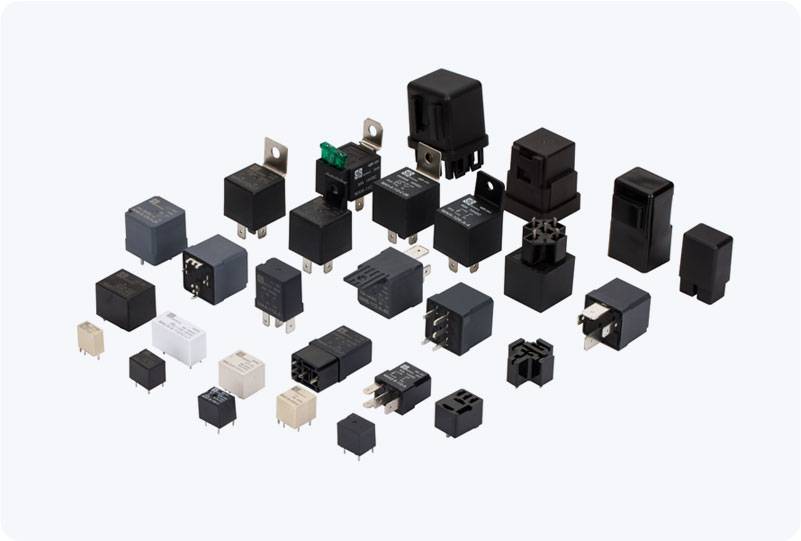
What is a High Voltage Distribution Relay? A High Voltage Distribution Relay is an essential component of modern electrical protection systems, commonly used in power distribution networks, substations, and high-voltage installations. The relay monitors electrical parameters such as voltage, current, and frequency to detect faults or abnormal conditions in the system. When a fault is detected, the relay sends a command to circuit breakers or switches to isolate the faulty section of the circuit, preventing further damage to equipment and ensuring the overall safety of the electrical infrastructure.