Relay circuit design is an essential aspect of electrical engineering and automation systems. Relays are electromagnetic switches that enable electrical circuits to be controlled without direct physical connection. This characteristic makes relays ideal for applications in automation, protection circuits, and power control systems. In this article, we will delve into the fundamentals of relay circuit design, the key factors to consider, and some common practical applications.
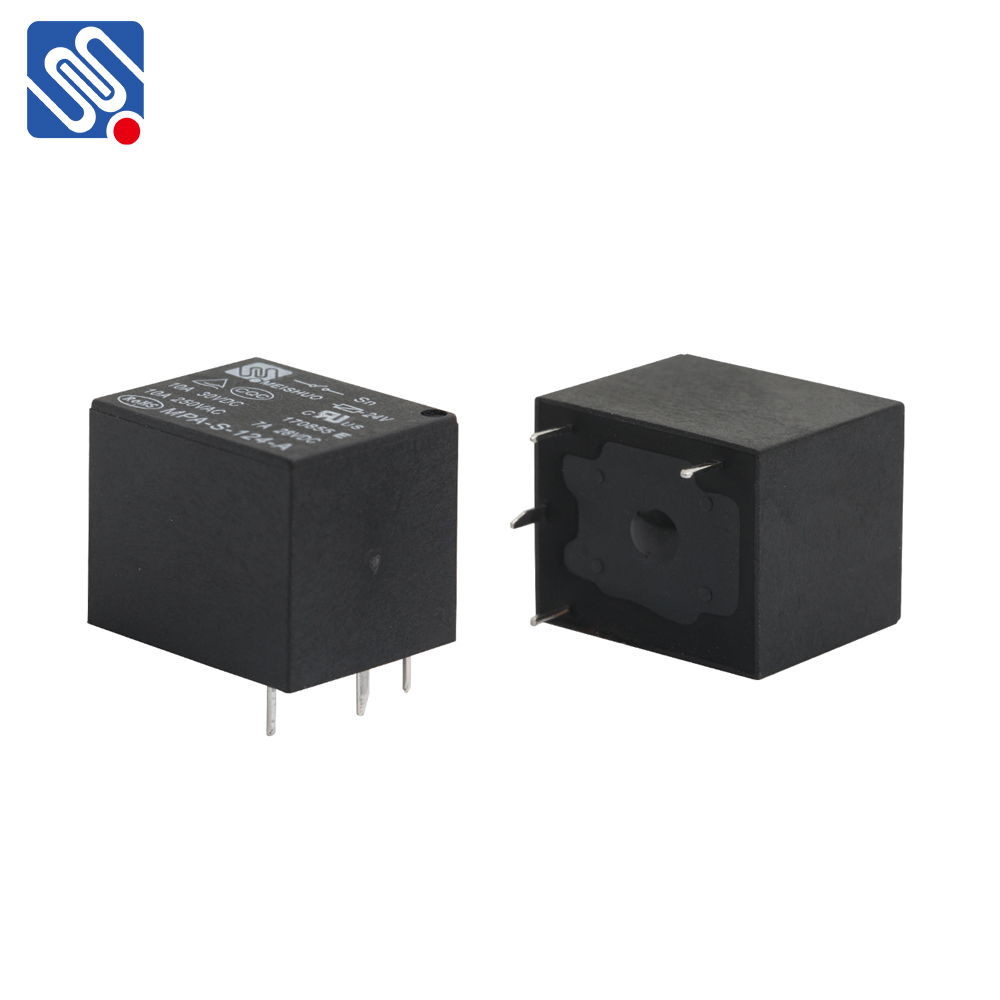
What is a Relay and How Does It Work? A relay is a device that opens or closes a set of contacts when an electrical current is passed through its coil. The basic operation of a relay involves an electromagnet that, when energized, creates a magnetic field that attracts an armature, causing the contacts to change their state. This allows a small input signal to control a much larger output load. Relays can have various types of contacts, such as normally open (NO) or normally closed (NC). A normally open contact will close when the relay is activated, while a normally closed contact will open when the relay is energized. This flexibility makes relays useful for various control applications, including switching larger current loads with small control signals.