Relays are essential components in electronic and electrical systems, serving as automatic switches to control circuits based on specific input signals. Their application spans various industries, including automotive, telecommunications, and industrial automation, where they play a crucial role in protecting systems and managing power distribution. Understanding the parameters associated with relays is vital for selecting the appropriate relay for a given application and ensuring efficient operation. This article explores the key relay parameters and their importance in the selection and use of relays.
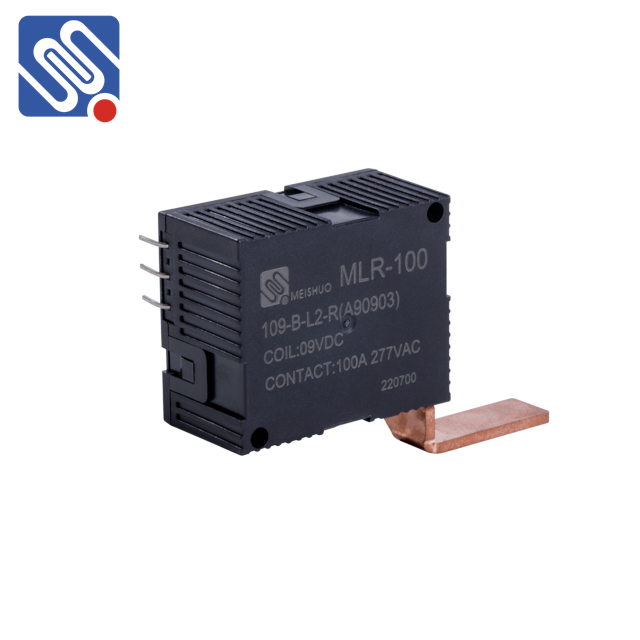
1. Coil Voltage The coil voltage, often referred to as the rated voltage, is one of the primary relay parameters. It represents the voltage required to energize the relay’s coil, causing it to activate the relay’s switching mechanism. The coil voltage must match the voltage level of the system in which the relay is used. Using a relay with an incorrect coil voltage can result in inefficient operation, potential damage to the relay, or even system failure. The coil voltage can be either DC (direct current) or AC (alternating current), and it is essential to choose the right type based on the application. For instance, in a low-voltage DC circuit, a DC coil voltage relay is typically used, while an AC coil voltage relay is appropriate for alternating current circuits.