In industrial and electrical settings, ensuring the safety of workers is of paramount importance, especially when it comes to preventing accidents during equipment maintenance or repairs. One essential safety practice is the use of lockout/tagout (LOTO) procedures, which involve the placement of lockout devices on electrical equipment to prevent accidental energization. This practice is critical in preventing injuries caused by the unexpected start-up of machinery or electrical systems during maintenance work. US Electrical Equipment Lockouts manufacturers play a pivotal role in ensuring these practices are implemented effectively, producing reliable and durable lockout devices that help safeguard workers in hazardous environments.
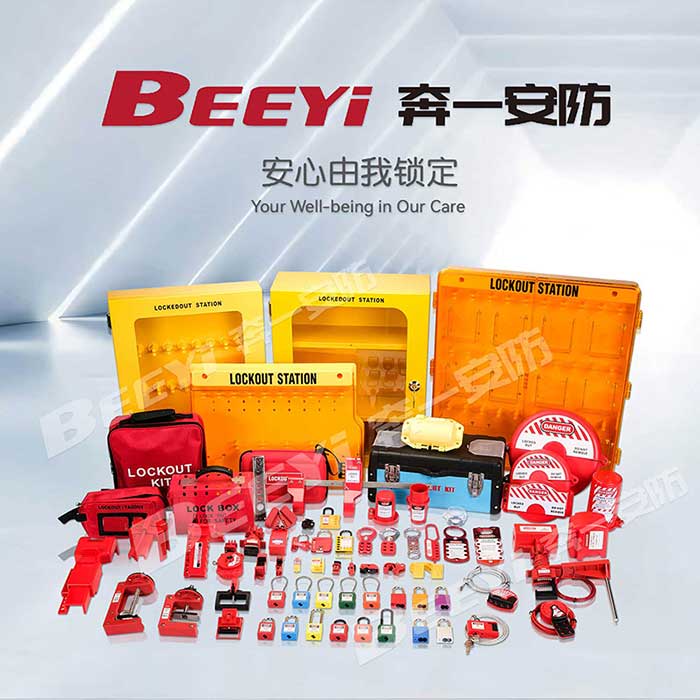
The Importance of Lockout/Tagout (LOTO) in Industrial Settings Lockout/tagout is a safety procedure established to ensure that machinery and electrical systems remain de-energized while being serviced or repaired. When equipment is being worked on, it is essential to prevent accidental startup, which can cause serious injuries or even fatalities. LOTO procedures are critical for compliance with safety standards, especially those outlined by the Occupational Safety and Health Administration (OSHA), which mandates that employers implement effective lockout/tagout procedures. The primary function of lockout devices is to physically secure an energy-isolating mechanism such as a circuit breaker, valve, or power switch, rendering the equipment inoperable until the work is completed and the lock is removed. Tagout devices, on the other hand, are used to provide a visual indication that the equipment is not to be operated.