Smart relays are revolutionizing the way we control electrical devices and manage automated systems. By combining the reliability of traditional relays with cutting-edge technology, smart relays offer a wide range of functionalities that streamline operations, enhance energy efficiency, and provide remote control capabilities. Whether in industrial automation, smart homes, or energy management, these intelligent devices are making a significant impact on various sectors. This article will explore the concept of smart relays, their working principles, applications, and their growing importance in today’s interconnected world.
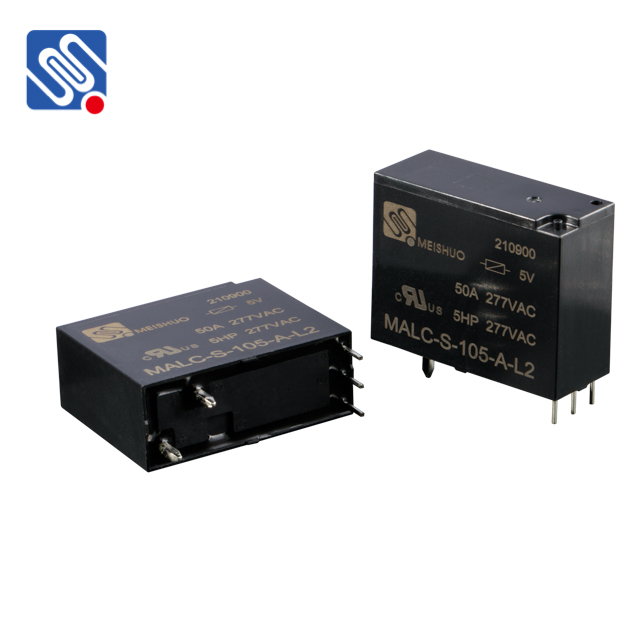
What is a Smart Relay? A smart relay is an advanced version of a traditional relay that is integrated with microprocessors, sensors, and communication modules, allowing it to perform much more than just opening or closing electrical circuits. While a conventional relay merely controls the on/off state of an electrical device, a smart relay can communicate with other devices, be controlled remotely, and even be programmed to operate autonomously based on certain conditions. These relays can be operated through mobile apps, web interfaces, or even voice assistants, providing users with complete control over their devices from virtually anywhere. Smart relays are part of the broader trend of the Internet of Things (IoT) devices, contributing to the development of smart homes, smart factories, and energy-efficient solutions.