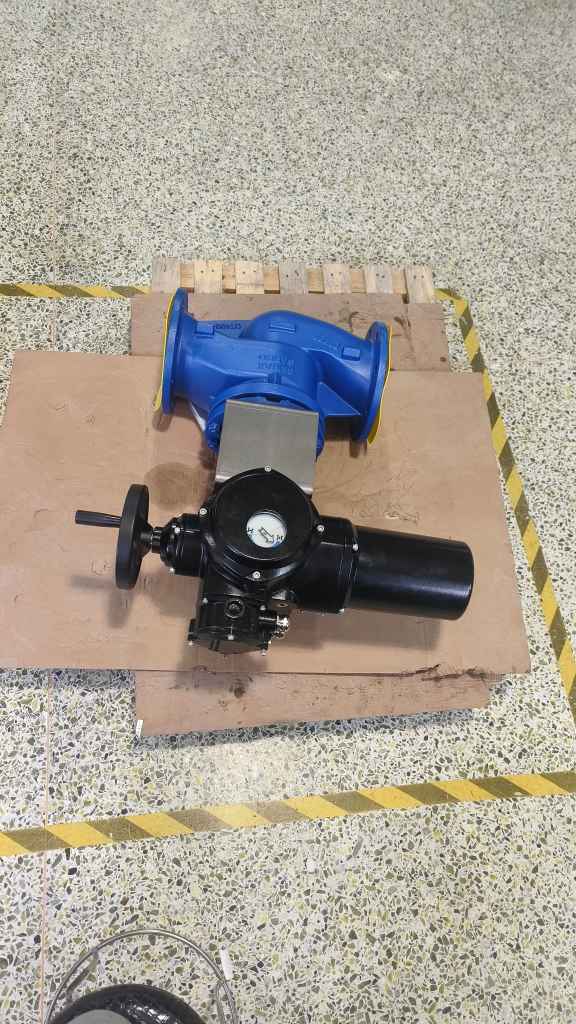
Hydrogen energy is rapidly gaining recognition as a key player in the global transition to cleaner, more sustainable energy sources. As the world moves towards reducing its carbon footprint and mitigating the effects of climate change, hydrogen, especially in the form of hydrogen fuel cells and hydrogen-powered vehicles, is emerging as a viable alternative to fossil fuels. However, the safe handling and management of hydrogen, a highly flammable and potentially hazardous gas, require specialized equipment, one of the most critical being the Hydrogen Energy Electric Shut-Off Valve.
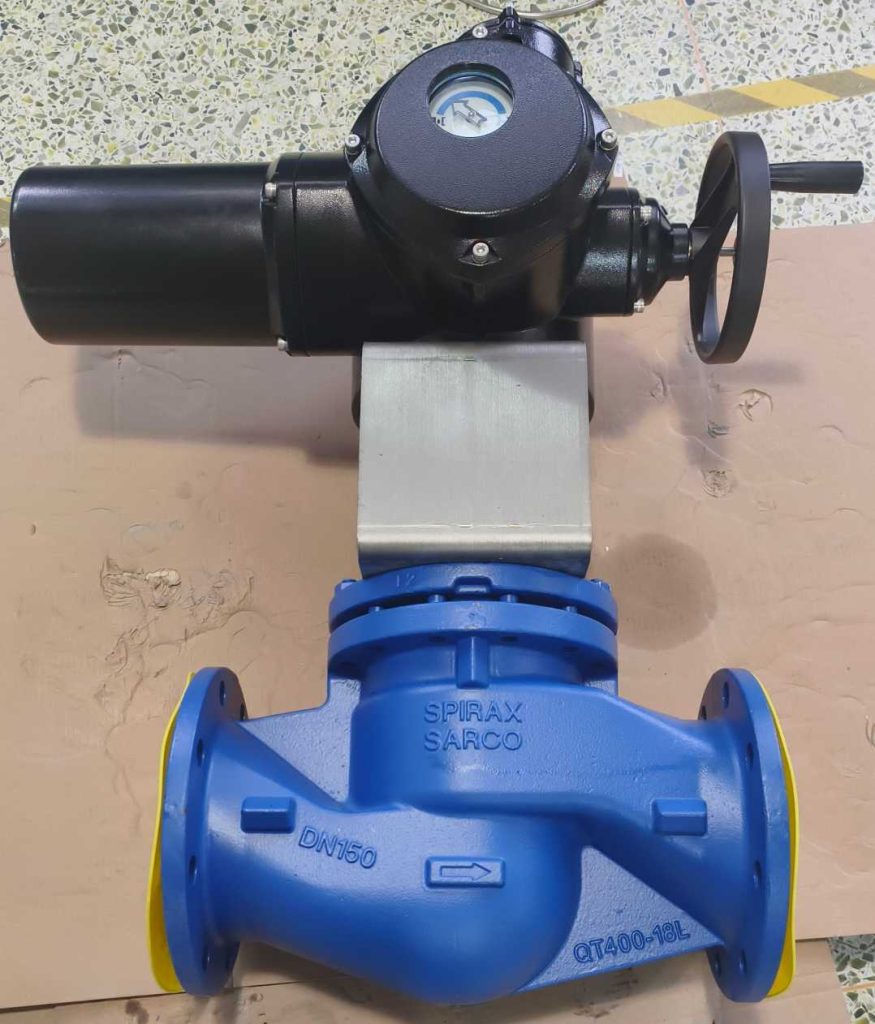
What is a Hydrogen Energy Electric Shut-Off Valve?
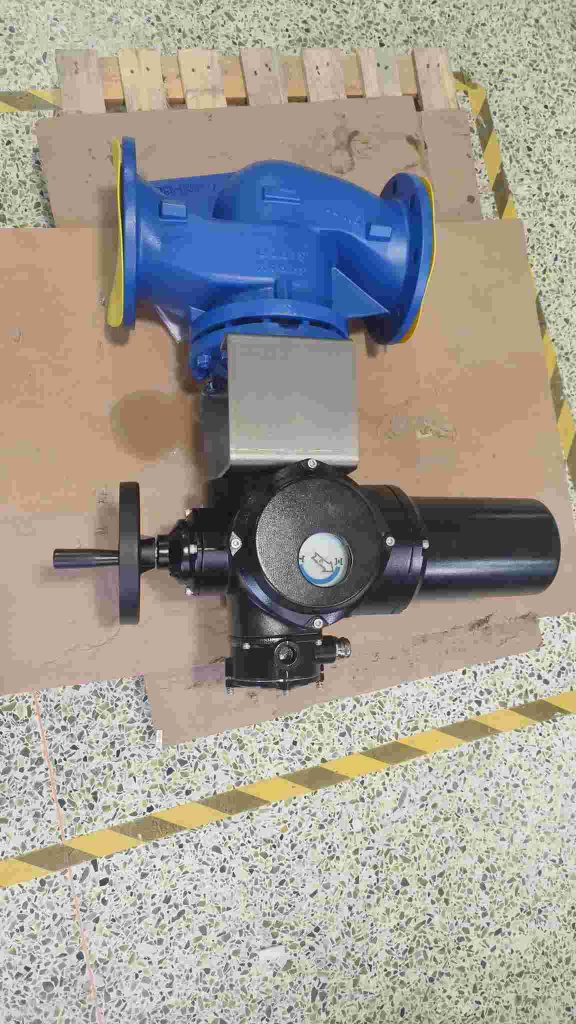
A Hydrogen Energy Electric Shut-Off Valve is an automated valve used in hydrogen energy systems to control the flow of hydrogen gas. This valve is crucial in maintaining the safety, efficiency, and reliability of hydrogen storage, distribution, and utilization systems. It functions as a fail-safe mechanism, ensuring that hydrogen flow is cut off in the event of an emergency, malfunction, or shutdown procedure. The electric actuation allows for remote operation, making it suitable for integration into automated systems that require real-time control. The hydrogen energy sector includes a variety of applications such as fuel cells, hydrogen storage tanks, refueling stations, and industrial hydrogen processes. Each of these systems requires stringent safety measures to protect against leaks, explosions, and other potentially catastrophic failures. The electric shut-off valve plays a pivotal role in these systems by quickly stopping the flow of hydrogen whenever necessary, preventing hazardous situations.