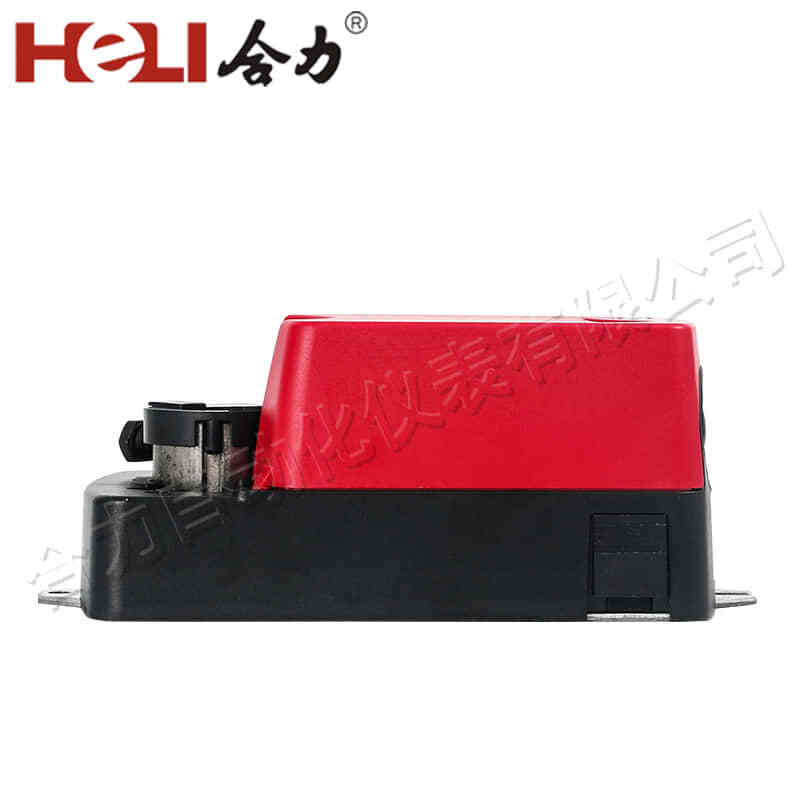
Damper actuators are essential components in the control of air distribution systems, particularly in Heating, Ventilation, and Air Conditioning (HVAC) systems. These devices are responsible for adjusting and controlling the dampers that regulate airflow in ducts, thereby influencing the efficiency and effectiveness of HVAC systems. The role of damper actuators in optimizing energy consumption and ensuring proper air distribution cannot be overstated. As industries continue to seek ways to improve energy efficiency, demand for reliable damper actuators, particularly from OEM (Original Equipment Manufacturer) suppliers, has surged. This article explores the significance of damper actuator OEM manufacturers and how they contribute to the innovation and performance of HVAC systems.
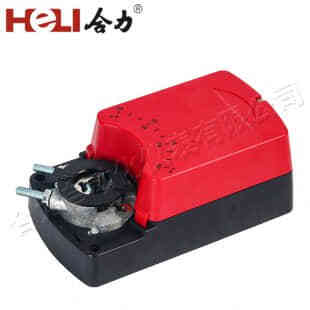
The Role of Damper Actuators in HVAC Systems
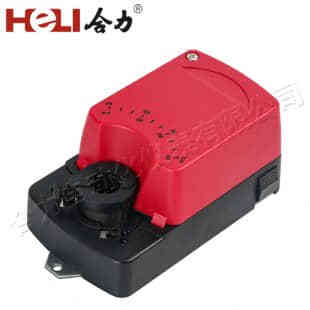
HVAC systems are a cornerstone of modern buildings, ensuring indoor air quality and temperature regulation. Within these systems, dampers play a crucial role in controlling the flow of air through the ductwork. Damper actuators, which are typically electric or pneumatic, are the devices that control the opening and closing of these dampers. By doing so, they allow HVAC systems to regulate airflow to specific zones or areas in a building. This precision in airflow control helps to balance temperature and humidity, contributing to greater energy efficiency and comfort. Damper actuators are used in a variety of applications, from residential to industrial HVAC systems, as well as in applications such as fire dampers, smoke dampers, and pressure relief dampers. The versatility of damper actuators is one of the reasons they are essential for modern HVAC infrastructure.