Reverse Osmosis (RO) technology has revolutionized the way we purify water, especially for domestic and industrial applications. At the heart of many RO systems lies a small but crucial component: the Reverse Osmosis Solenoid Valve. Though often overlooked, this valve plays a critical role in ensuring the system operates efficiently and effectively. In this article, we will explore what a Reverse Osmosis Solenoid Valve is, how it works, and why it is essential for maintaining water quality in an RO system.
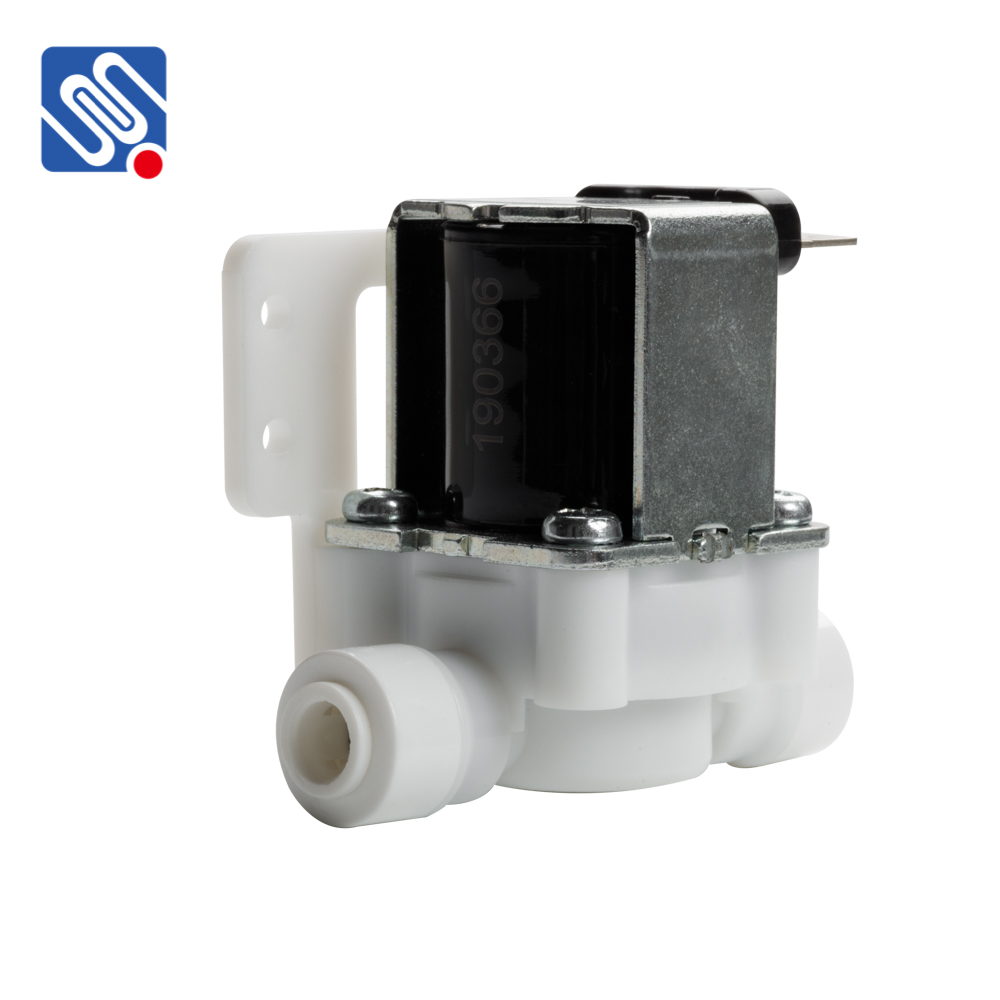
What is a Reverse Osmosis Solenoid Valve? A Reverse Osmosis Solenoid Valve is an electrically operated valve that controls the flow of water in a reverse osmosis system. This type of valve is typically used to manage the inlet water flow to the RO membrane, as well as to control other stages of the filtration process. When the solenoid coil is energized, the valve opens, allowing water to flow through the system. When the coil is de-energized, the valve closes, stopping the water flow. The solenoid valve is integral to the automation of the system, allowing it to operate without the need for manual intervention. This automation not only enhances user convenience but also contributes to the system’s overall efficiency, reducing water wastage and ensuring that the filtration process runs smoothly.