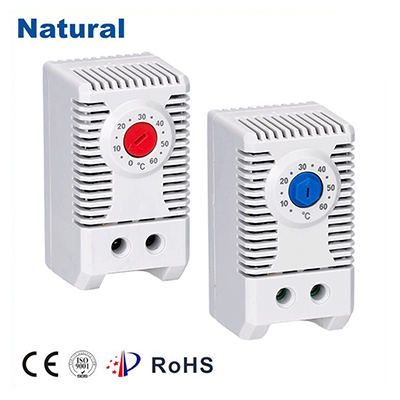
A bimetal thermostat is a crucial component in regulating temperature across various devices, ranging from household appliances to industrial machines. This simple yet effective device utilizes the physical properties of two different metals to control temperature changes and ensure that systems function optimally. In this article, we will delve into the working principle of a bimetal thermostat, its structure, and its wide range of applications in daily life and industries.
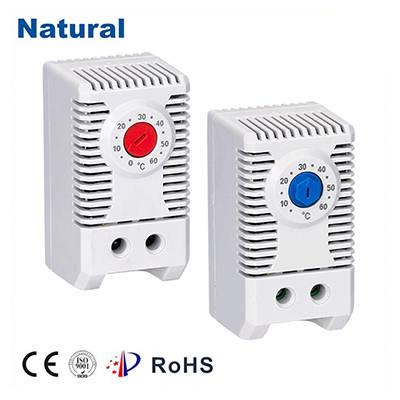
What is a Bimetal Thermostat?
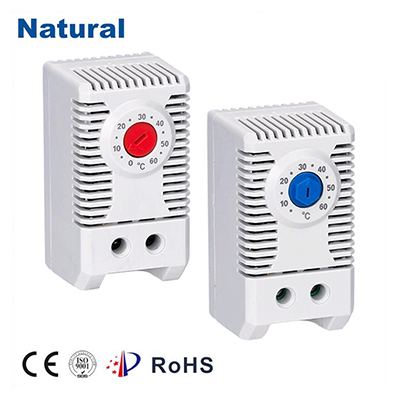
A bimetal thermostat is a temperature-controlling device that consists of two different metals with different coefficients of expansion. These metals are bonded together to form a bimetallic strip. When the temperature changes, each metal expands or contracts at different rates, causing the strip to bend or flex. This bending movement is then used to operate an electrical switch that turns a circuit on or off, thus controlling the temperature within a system. The most common metals used in bimetal thermostats are brass, copper, and steel. Each metal is chosen for its ability to expand and contract at a specific rate, which allows the bimetal strip to respond accurately to temperature variations. This design ensures that the thermostat is both simple and reliable, capable of performing its task without the need for complicated electronics or sensors.