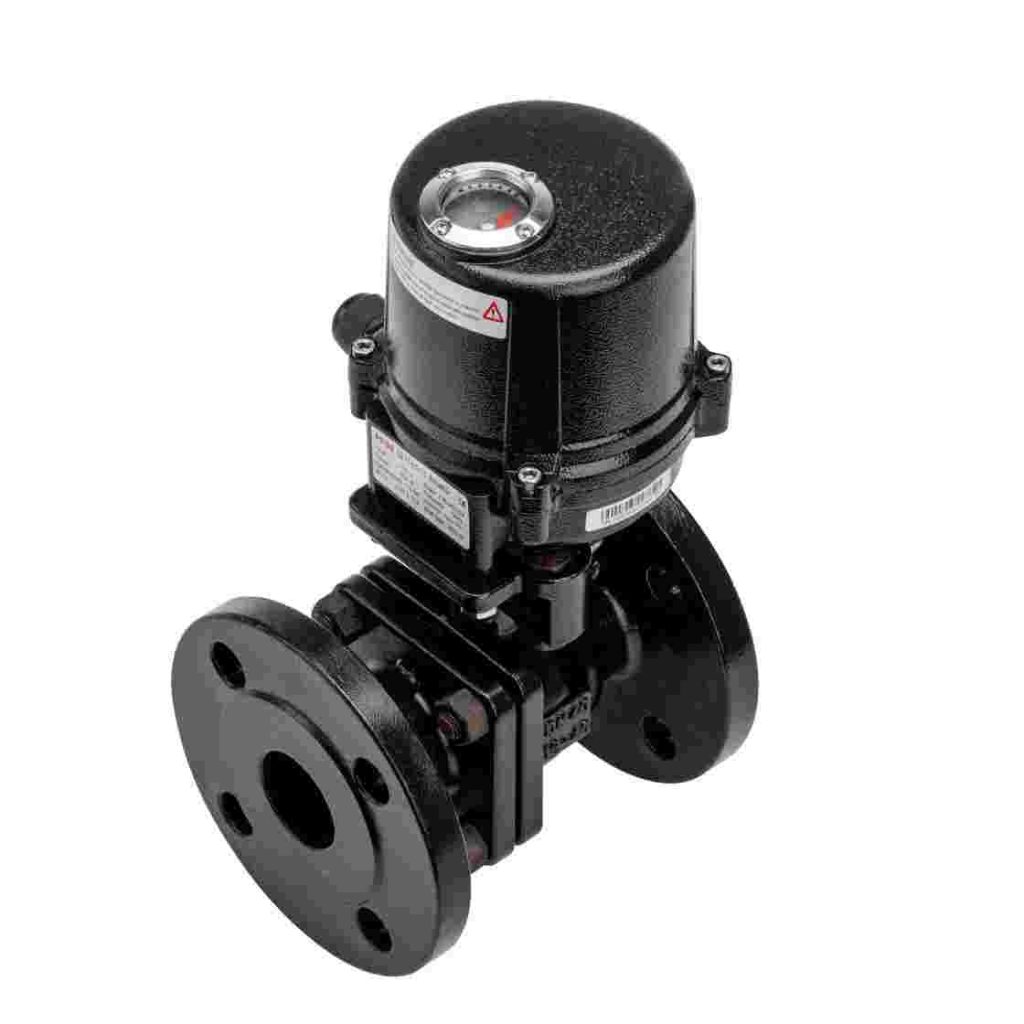
In various industrial sectors, ensuring safety while maintaining operational efficiency is of utmost priority. One of the critical components designed to address these needs is the explosion-proof electric high temperature ball valve. This sophisticated device combines advanced engineering with safety features to create a reliable solution for controlling fluid flow in high-risk environments. This article will explore the fundamentals, features, advantages, applications, and maintenance of this essential valve.
Fundamentals of Explosion-proof Electric High Temperature Ball Valves
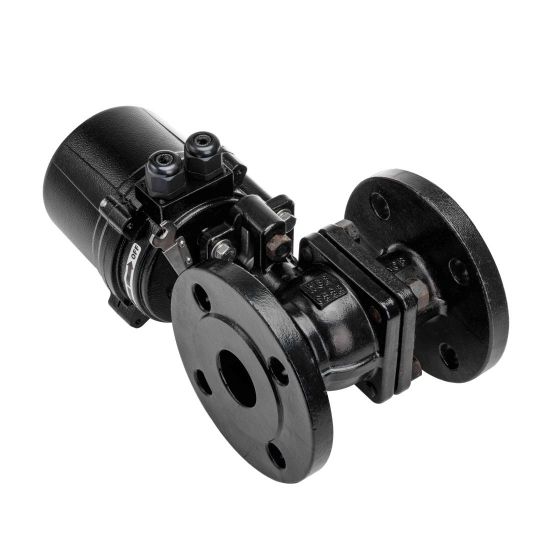
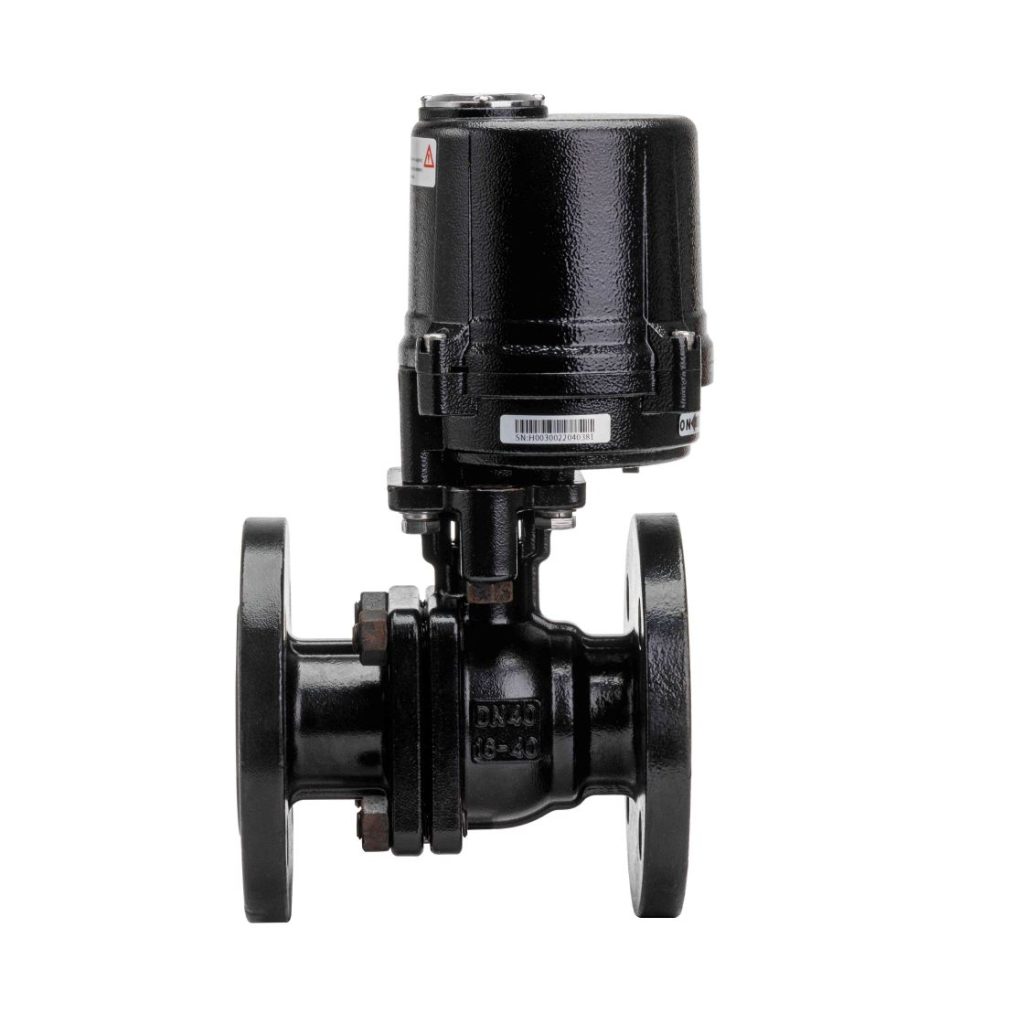
The explosion-proof electric high temperature ball valve is primarily composed of a robust valve body and an electric actuator. The valve itself consists of a hollow, spherical disc known as a ball, which pivots to either allow or block fluid passage through its ports. The electric actuator is responsible for rotating the ball into the desired position (open or closed) using an electric motor, which can be controlled remotely or automatically integrated into a larger control system. These valves are designed to withstand high temperatures, generally exceeding 200 degrees Celsius, depending on the specific materials used. Additionally, they are built to meet stringent explosion-proof standards, making them suitable for use in environments where flammable gases, vapors, or dust might pose a risk.