The Dual Relay Module is an essential component in various electronics projects, especially when you need to control high-voltage or high-current devices with low-voltage signals. As technology advances and automation becomes more prevalent, understanding how to use relay modules efficiently can significantly enhance your project’s capability. This article will explore the structure, working principle, and common applications of the Dual Relay Module, giving you a clear understanding of its functionality and versatility.
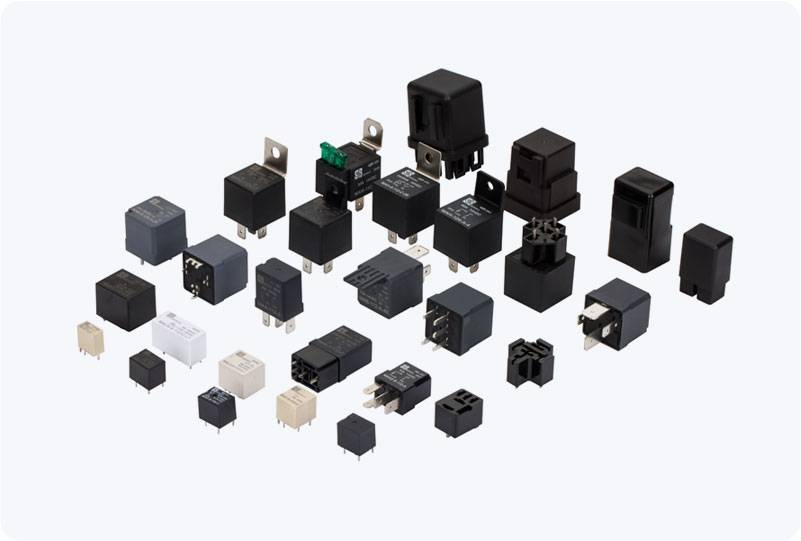
What is a Dual Relay Module? A Dual Relay Module is an electronic module that consists of two relays. These relays are essentially switches that allow a low-voltage circuit to control a high-voltage circuit. This functionality is essential when you need to interface low-power controllers like microcontrollers (e.g., Arduino, Raspberry Pi) with high-power devices such as motors, lights, or even home appliances. Relays are typically electromechanical or solid-state, and the dual version allows for simultaneous control of two different devices. Each relay on the module has three basic pins: