In modern water treatment systems, ensuring efficiency, precision, and automation is paramount. One of the key components that contribute significantly to these goals is the Water Treatment System Solenoid Valve. This valve, which operates through electromagnetic force, plays an essential role in regulating water flow and controlling various aspects of water treatment processes. From household water filtration units to industrial-scale water purification plants, solenoid valves are widely used due to their reliability and automation capabilities.
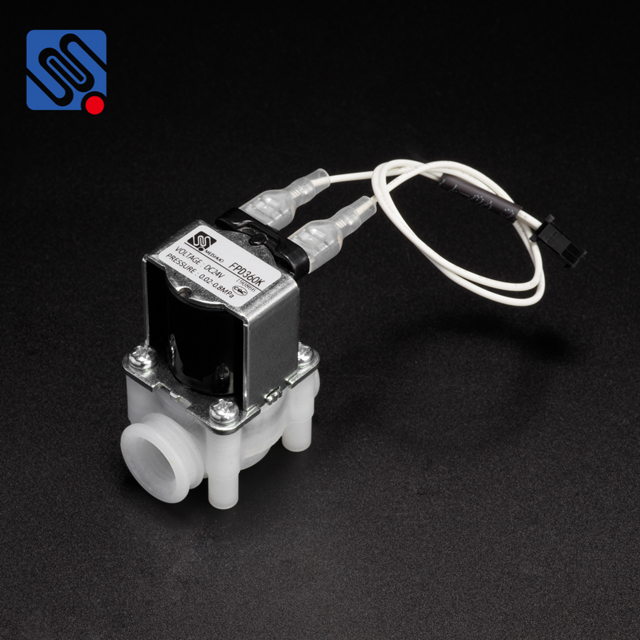
Understanding Solenoid Valves in Water Treatment A solenoid valve is an electromechanical device used to control the flow of water or other fluids in a system. It consists of a coil of wire (the solenoid) that, when energized, generates a magnetic field. This magnetic field either attracts or repels a plunger inside the valve, thereby opening or closing the valve. The basic operation is quite simple, but it enables precise control of fluid flow with high reliability, making it indispensable in water treatment systems. The Water Treatment System Solenoid Valve operates on a principle of automatic control, allowing for efficient management of water flow without requiring manual intervention. It is typically used in filtration, softening, and reverse osmosis systems, where controlling water flow is critical for maintaining system efficiency and performance.