An Overload Protection Relay is a crucial device in electrical systems designed to safeguard machinery, equipment, and circuits from potential damage caused by excessive current. It serves as an essential protection mechanism for motors, transformers, and other electrical equipment, ensuring that they operate within safe limits and avoid overheating or failure. In this article, we will explore the function, importance, and applications of overload protection relays in electrical systems.
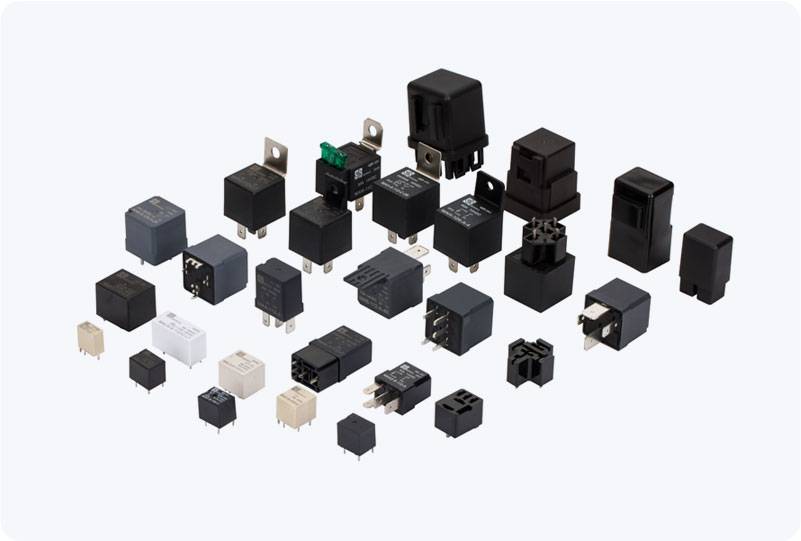
Function of Overload Protection Relays The primary function of an overload protection relay is to detect when the current flowing through a circuit exceeds a predefined safe level, typically the rated current of the equipment. When this occurs, the relay interrupts the power supply to the circuit, preventing the equipment from sustaining prolonged damage that could result from overheating or electrical fires. This is especially important in motors, where excessive current can cause winding insulation to break down and lead to motor failure. Overload protection relays operate by monitoring the amount of current flowing through the circuit. When the current exceeds a certain threshold for a specified period of time, the relay triggers an action, usually tripping a circuit breaker or disconnecting the power. The relay is often adjustable, allowing users to set the appropriate protection level based on the specific requirements of the equipment being protected.