Automotive relays are integral components in modern vehicles, controlling various electrical circuits that power essential systems, such as lighting, ignition, air conditioning, and safety features. The relay coil, a crucial part of the relay mechanism, plays an important role in energizing the relay to switch electrical circuits on and off. Understanding the specifications of automotive relay coils is essential for selecting the right relay for a specific application, ensuring proper functionality, and optimizing vehicle performance.
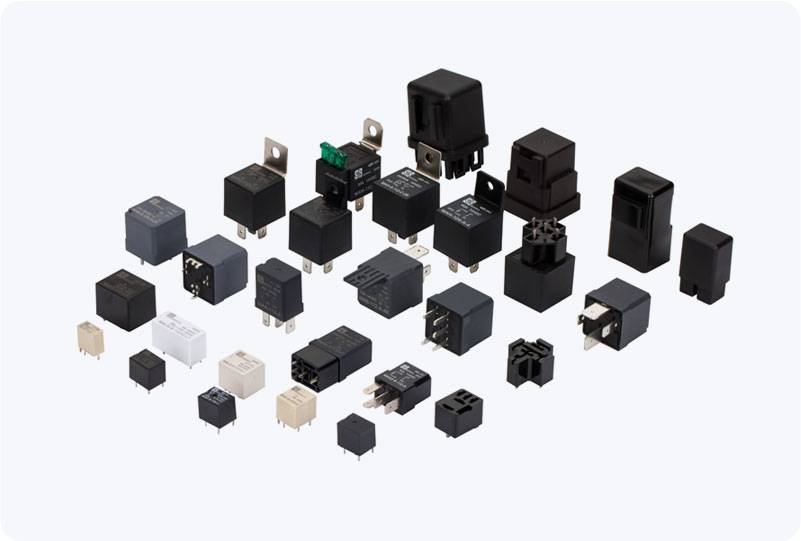
1. Coil Voltage One of the primary specifications to consider when selecting an automotive relay is the coil voltage. This refers to the voltage required to energize the relay coil, causing the relay to switch. In most automotive systems, the standard voltage for relay coils is 12V DC, as it aligns with the electrical system in most vehicles. However, for larger commercial vehicles and trucks, a 24V DC relay coil is typically used. The coil voltage is crucial because it determines how much electrical energy is needed to activate the relay. A relay with an incorrect voltage rating may not operate correctly, potentially leading to circuit failures or damage to the relay and other connected components. When designing or choosing a relay, it’s important to ensure that the coil voltage matches the vehicle’s electrical system to maintain reliable operation.