Scaffolding lockout tags are a critical safety feature used in construction sites to manage hazardous energy sources, ensuring that workers can carry out their tasks safely without the risk of machinery being unintentionally activated. The purpose of these tags is to identify and communicate when a device, scaffold, or piece of equipment has been locked out or disabled for maintenance, inspection, or repair. To further enhance the effectiveness of these safety tools, a comprehensive after-sales service is crucial. This service ensures that the scaffolding lockout tags continue to meet safety standards and provide long-term value to users. This article explores the importance of after-sales service for scaffolding lockout tags, detailing what it entails, and why it matters to construction companies and their workers.
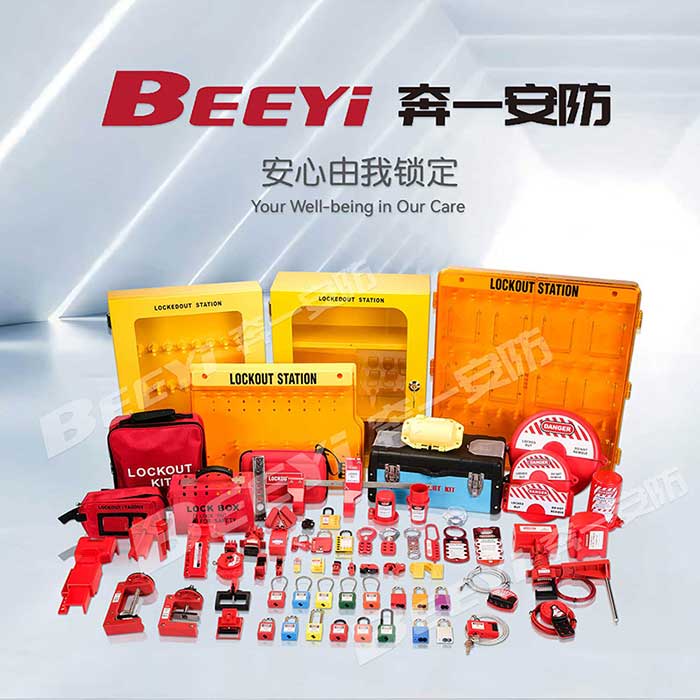
The Role of Scaffolding Lockout Tags in Safety Scaffolding lockout tags are an essential part of a broader safety system known as Lockout/Tagout (LOTO), a procedure designed to prevent the accidental release of hazardous energy. These tags are often used in combination with locks and other safety devices to isolate energy sources in machinery and equipment. When applied to scaffolding or equipment, they signal that the device is undergoing maintenance and must not be used until it is deemed safe to do so. The tags themselves are typically made of durable materials like plastic or metal and include critical information, such as the name of the person performing the maintenance, the date of lockout, and any special instructions for reactivation. The tags must be clearly visible and withstand harsh weather conditions, which is why the quality and durability of the tags are paramount.