The Optocoupler Protected Relay Module is an essential device widely used in electronic circuits that require electrical isolation. This module serves to bridge the gap between low-voltage control systems and high-voltage applications while providing safety and protection. This article delves into the functionality, components, applications, and benefits of the Optocoupler Protected Relay Module, highlighting its importance in modern electronics.
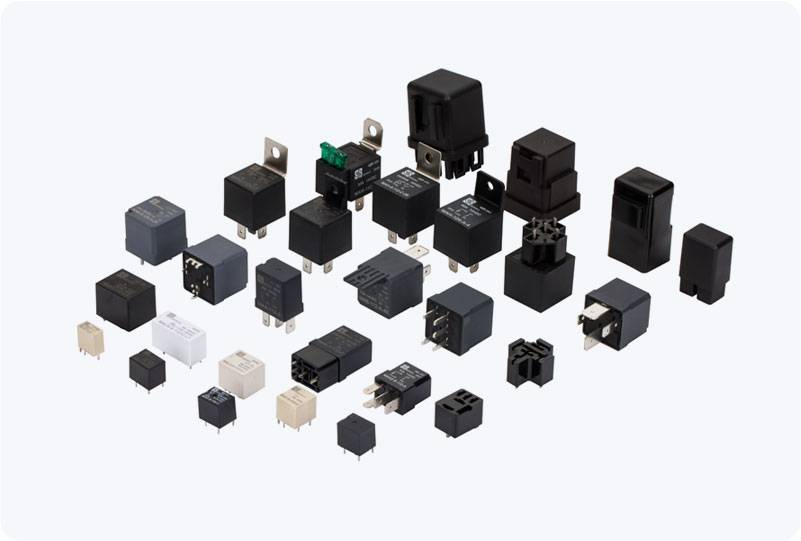
What is an Optocoupler Protected Relay Module? An Optocoupler Protected Relay Module is a specialized electronic module designed to control high-voltage or high-current circuits using low-voltage control signals, while also providing electrical isolation. The key feature of this module is the combination of an optocoupler and a relay. The optocoupler isolates the low-voltage control side from the high-voltage switching side, ensuring that electrical spikes or surges from the high-voltage system do not affect sensitive control electronics. In simpler terms, the module allows a microcontroller or any other low-voltage device to safely control high-power appliances, such as motors, lamps, and other equipment that require more current than the controller can handle.