In industrial environments, safety is of paramount importance. One of the most effective safety protocols designed to protect workers from accidental injury is the Lockout/Tagout (LOTO) procedure. This procedure, which involves both “locking out” and “tagging out” machinery, is essential for ensuring that hazardous energy sources are properly controlled during maintenance and repair work. While “Lockout” refers to physically isolating the energy source, “Tagout” provides an additional layer of warning to prevent accidental re-activation of equipment. In this article, we will explore the importance of Tagout in workplace safety, its applications, and best practices for effective implementation.
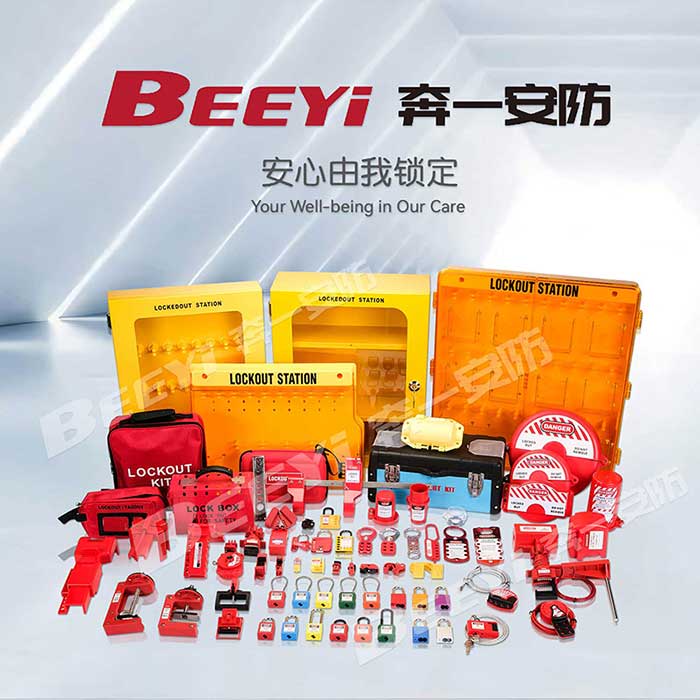
What is Tagout? Tagout is a safety procedure used when performing maintenance or repair work on equipment that requires control of hazardous energy. In cases where physical locking of the machinery or energy source is impractical, a tag is placed on the equipment’s energy-isolating device to warn others that the equipment is not to be operated. A Tagout device is usually a prominent warning label or tag, often attached with a durable tie or fastening mechanism, and includes details such as the worker’s name, the reason for the tag, and the date. The tag should include clear instructions not to operate the equipment, ensuring that anyone who sees it understands the potential danger.