In industrial and hazardous environments, safety is the top priority, and controlling energy sources is key to preventing accidents. One of the most critical aspects of this is the use of valve lockout devices, a tool designed to ensure that valves remain securely shut off during maintenance or repair operations. By locking out valves, these devices help prevent accidental releases of hazardous substances such as gas, steam, or water, which could lead to injuries or fatalities.
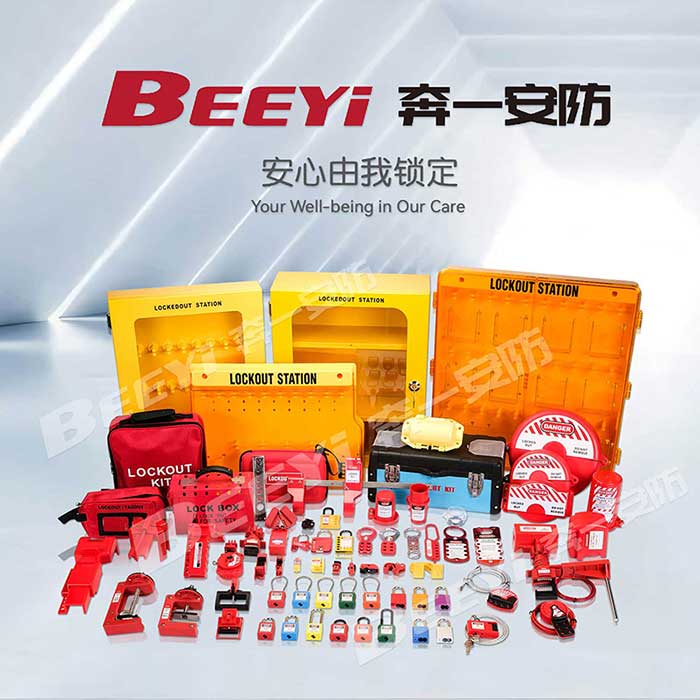
What is a Valve Lockout Device? A valve lockout device is a safety mechanism used to lock valves in a closed or open position to prevent them from being operated while maintenance or repairs are being carried out. These devices are typically part of a broader lockout/tagout (LOTO) safety procedure, which is designed to control hazardous energy during work processes. The purpose of the valve lockout device is to provide a physical barrier that ensures valves cannot be turned on or off without the authorization of the designated worker. Lockout devices can come in various forms, such as lockout clamps, valve handle covers, and multi-valve lockout systems. Each type serves a specific purpose depending on the valve type and its application.