In the era of clean energy and sustainable development, the need for efficient energy management systems has never been more crucial. As industries and transportation sectors transition to renewable energy sources, the role of advanced electrical components, such as relays, has become essential. Among these components, New Energy Relays play a pivotal role in ensuring the safety, reliability, and efficiency of energy systems that utilize renewable sources, particularly in electric vehicles (EVs), hybrid vehicles (HEVs), and other green energy applications.
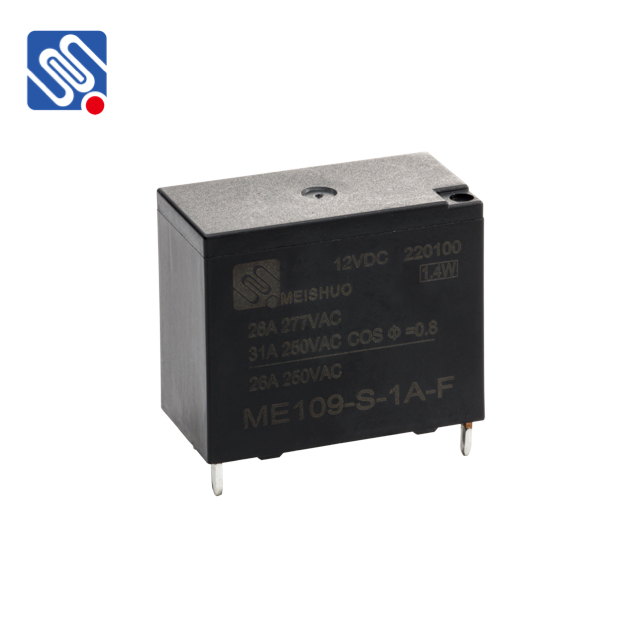
What is a New Energy Relay? A New Energy Relay is an electrical switching device that is specifically designed for applications in new energy systems. These systems include those powered by renewable energy sources like solar, wind, and hydropower, as well as electric vehicles and storage batteries. The function of these relays is to open or close electrical circuits when needed, controlling the flow of electricity between different components, such as batteries, motors, and inverters. New Energy Relays are different from conventional relays in several key ways. They are designed to handle high voltages and currents that are typically found in energy storage and electric vehicle systems. Moreover, they have to be more durable and efficient in order to function reliably in the long term and under harsh conditions.