Low Voltage Solenoid Valves are essential components in many modern systems, from industrial automation to household appliances. These valves play a crucial role in controlling the flow of fluids or gases in response to electrical signals. As the name suggests, Low Voltage Solenoid Valves operate at a lower voltage compared to traditional solenoid valves, making them safer and more efficient for use in a wide range of applications. This article delves into the working principles, features, benefits, and diverse applications of Low Voltage Solenoid Valves.
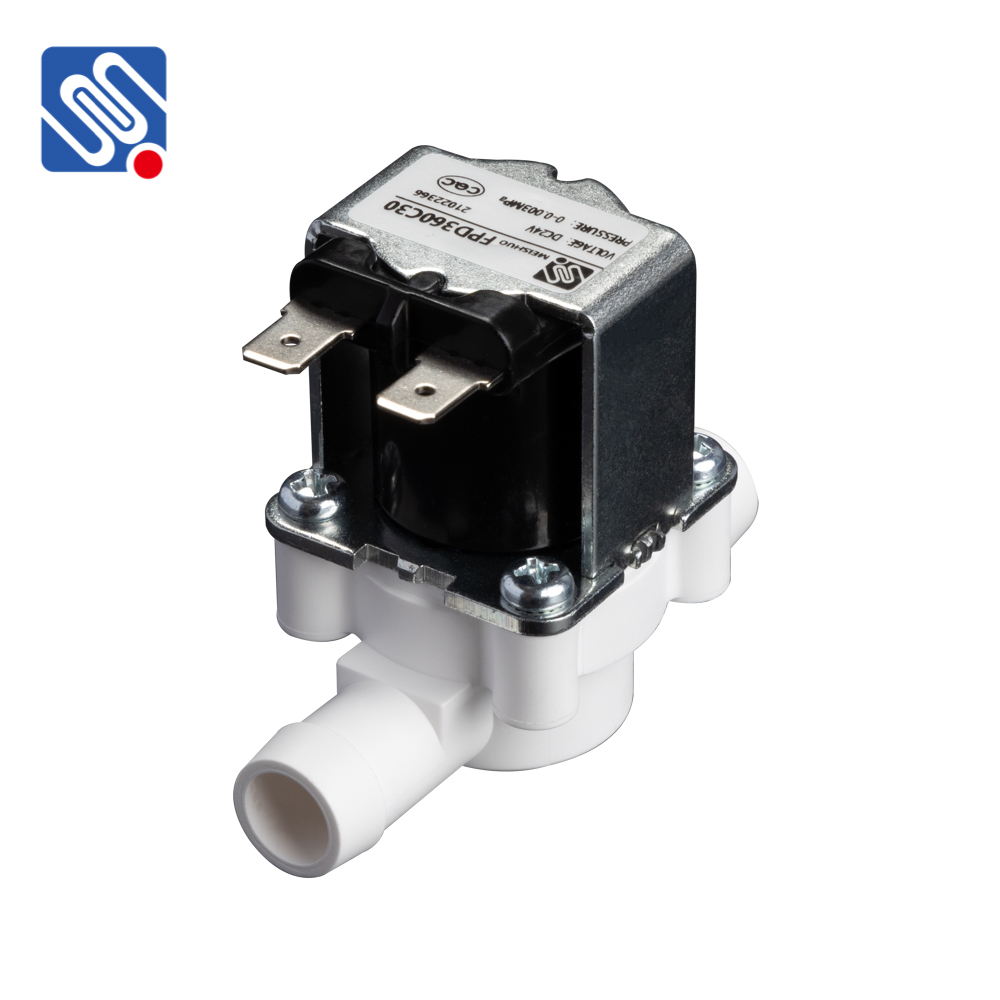
What is a Low Voltage Solenoid Valve? A Low Voltage Solenoid Valve is an electromagnetic valve that controls the flow of fluids or gases through a pipeline or system by using a low electrical voltage to activate a solenoid. Solenoids are coils of wire that generate a magnetic field when an electric current passes through them. In the case of solenoid valves, this magnetic field moves a plunger or armature, which opens or closes the valve to regulate the flow. The most common voltages for these valves are 12VDC or 24VDC, making them ideal for use in low-power systems where higher voltages could pose a risk. Compared to standard solenoid valves, which often operate at higher voltages (110V or 220V AC/DC), low voltage versions offer a safer and more energy-efficient solution, especially in sensitive environments.