A High-Power Relay is an essential component in modern electrical systems, especially in industries and applications that deal with high voltages and large currents. These relays serve as a means of controlling and switching high-power electrical circuits, offering significant safety and operational benefits for machinery, electrical grids, and a variety of other high-energy environments. In this article, we will explore the features, functionality, and applications of high-power relays, along with their role in ensuring the reliable operation of electrical systems.
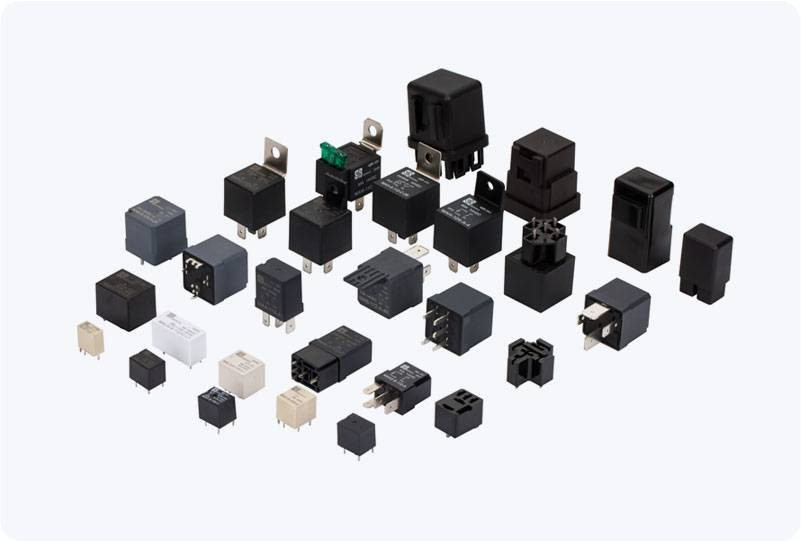
What is a High-Power Relay? A High-Power Relay is a type of relay designed to handle large currents and high voltage levels, making it suitable for applications that involve heavy electrical loads. Unlike standard relays, which are used in lower power circuits, high-power relays are specifically built to operate in environments where high energy demands are prevalent. These relays work by using an electromagnetic mechanism to open or close a set of contacts, which in turn controls the flow of electricity to a specific device or circuit. Key Features of High-Power Relays High Current Handling: High-power relays are engineered to manage and switch large electrical currents without failure. These relays are rated for high current levels, often in the range of several hundred amperes, depending on the specific model and application.