In industrial environments, worker safety is a top priority, and one of the key methods to ensure it is through proper lockout/tagout (LOTO) procedures. Lockout Hasps are crucial tools in this process, helping prevent accidents by ensuring that equipment is properly locked out during maintenance or repair work. However, like any other industrial tool, proper implementation, and maintenance of Lockout Hasps require adequate technical support. In this article, we will explore the importance of Lockout Hasps and the technical support services available to ensure their effectiveness in maintaining workplace safety.
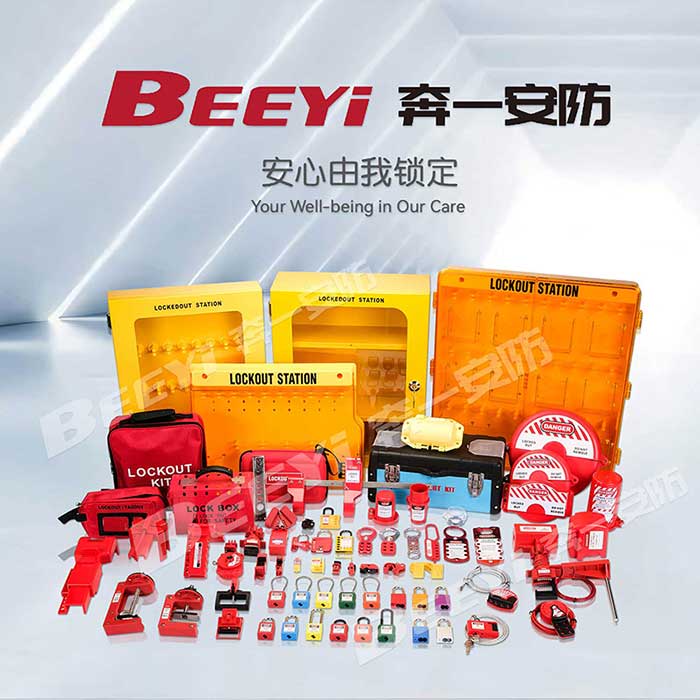
What is Lockout Hasps? Lockout Hasps are safety devices used to lock out machines and equipment during maintenance. They are designed to securely hold multiple locks in place, preventing unauthorized access to machinery. These hasps are used as part of the lockout/tagout (LOTO) safety procedures, which are required by Occupational Safety and Health Administration (OSHA) regulations to prevent accidental machine start-up during repair or maintenance. Typically, a lockout hasp is a metal device with a sturdy latch that holds multiple padlocks. The hasp is placed on a machine’s energy-isolating device, such as a switch or valve, ensuring that only authorized personnel with the appropriate keys can access and operate the equipment.