Electric two-seat regulating valves are vital components in various industrial applications, enabling precise control of fluid flow. These valves are particularly significant in sectors such as oil and gas, water treatment, chemical manufacturing, and HVAC systems. Understanding the function, benefits, and applications of electric two-seat regulating valves is essential for engineers and professionals involved in process control and automation.
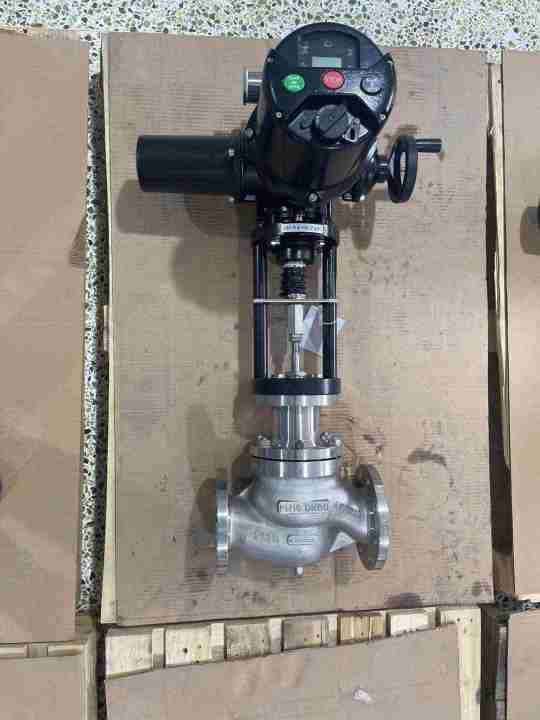
Understanding Electric Two-Seat Regulating Valves An electric two-seat regulating valve, as the name suggests, features two seating surfaces and operates via an electric actuator. The primary function of these valves is to regulate flow rates, pressure, and temperature in a pipeline or process system. The design typically includes a body that houses two seats (the parts that form a seal when the valve is closed), a stem that connects the actuator to the disc, and an electric actuator that provides the necessary movement. The two-seat design allows for a more efficient flow path and greater control over the flow characteristics compared to single-seat valves. This efficiency is crucial in applications where maintaining specific flow rates is vital for operational safety and efficiency.