In the modern industrial world, where automation and control systems are critical to the efficient operation of machines and equipment, the industrial relay plays a pivotal role. These simple yet powerful devices act as intermediaries between low voltage control systems and high power electrical circuits, ensuring that processes are carried out safely and efficiently. The industrial relay is a small but essential component in a wide range of applications, from manufacturing and automotive industries to energy and building management systems.
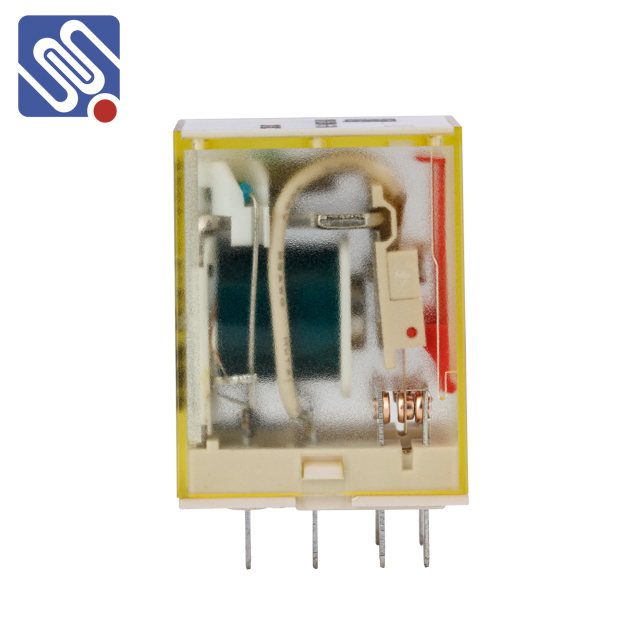
What is an Industrial Relay? An industrial relay is an electrically operated switch that uses an electromagnet to control the opening and closing of a set of contacts. When a current passes through the coil (or electromagnet), it generates a magnetic field that either attracts or repels an armature, thereby moving a set of contacts. These contacts can control high-power devices such as motors, lights, and other heavy machinery, despite the relay itself being controlled by much lower voltages or currents. Industrial relays come in various forms, including mechanical relays, solid-state relays, and time-delay relays. They are typically designed to withstand the harsh conditions of industrial environments, such as exposure to high temperatures, dust, vibrations, and electrical surges. They offer a reliable solution for automation and safety in systems where continuous operation is crucial.