A 24V DC Industrial Relay is an essential component widely used in industrial control systems for switching electrical circuits. Its primary function is to enable low-voltage control signals to manage high-voltage or high-current devices. Operating with 24V direct current, these relays are particularly useful in automated systems where safety, reliability, and precision are paramount. This article will explore the key features, applications, and factors to consider when selecting a 24V DC Industrial Relay.
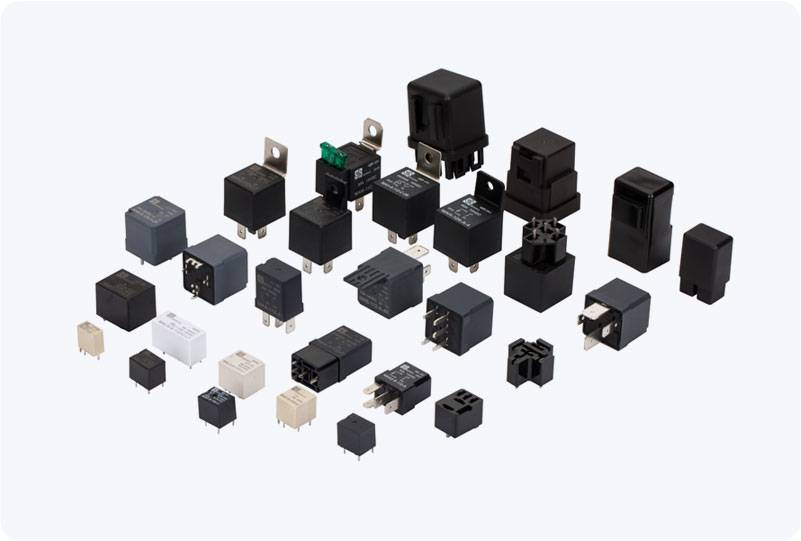
Key Features of 24V DC Industrial Relays The most defining characteristic of a 24V DC Industrial Relay is its operating voltage. Typically, relays are designed to operate with voltages that range from 5V to 48V DC, but the 24V DC variant is particularly popular in industrial automation. The core functionality of a relay involves using a low-voltage control signal to operate a set of contacts that can switch higher voltage circuits. Here’s a breakdown of its essential features: Coil Voltage: The coil in a 24V DC industrial relay is energized with a 24V direct current signal. This voltage is what triggers the relay to actuate its contacts.