Direct Acting Solenoid Valves are widely used in various industries to control the flow of fluids and gases, thanks to their efficient operation and simplicity. These valves are particularly important in systems where precise control is required, even under low-pressure conditions. In this article, we will explore the working principle, advantages, applications, and typical use cases of Direct Acting Solenoid Valves, shedding light on why they are integral components in many mechanical systems.
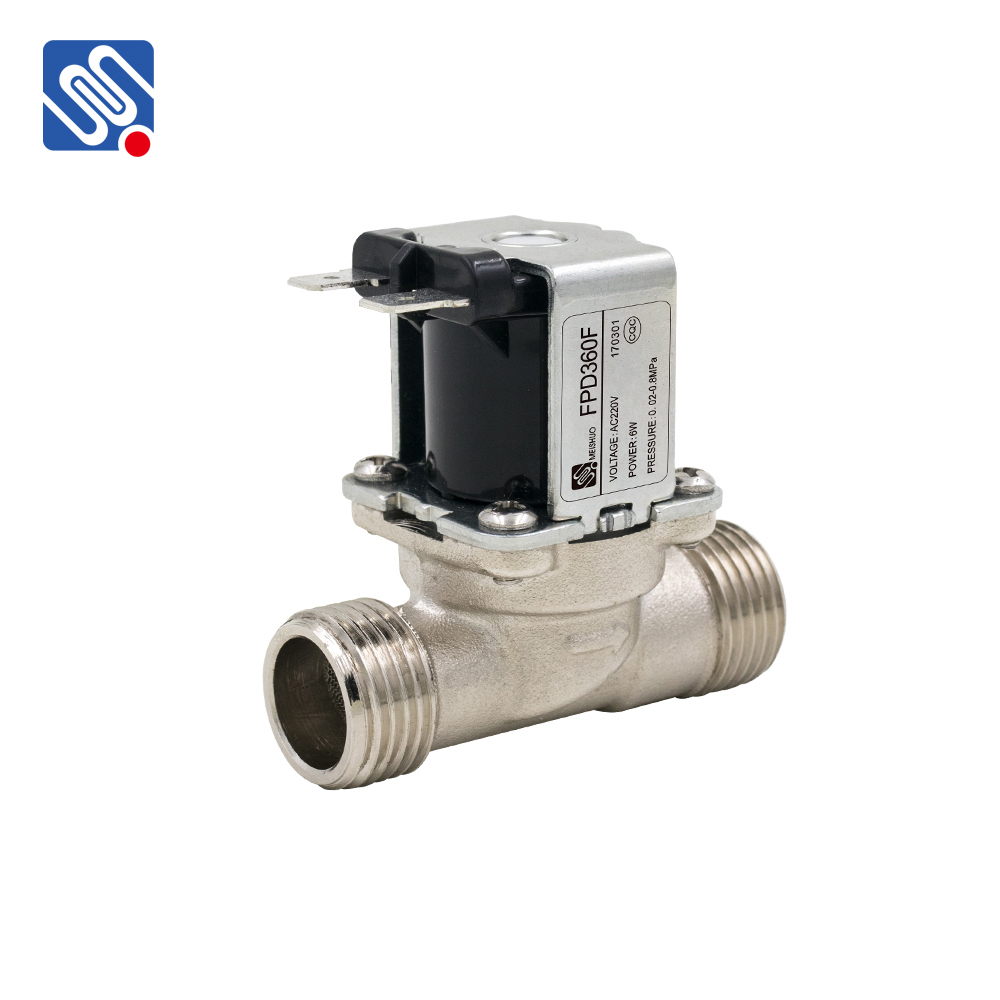
What is a Direct Acting Solenoid Valve? A Direct Acting Solenoid Valve is a type of electromagnetic valve that directly controls the flow of fluid or gas by using the mechanical movement of a plunger or armature. When the solenoid is energized, it generates a magnetic field that moves the plunger, opening or closing the valve. Unlike pilot-operated valves, Direct Acting Solenoid Valves do not rely on fluid pressure to operate; the solenoid alone is enough to move the valve mechanism. These valves are usually designed with a simple yet effective mechanism consisting of a solenoid coil, an armature (plunger), a spring, and a valve seat. The solenoid coil is powered by an electrical current, and the plunger is either pulled in or pushed out depending on the flow direction, thus regulating the flow of the medium.