An AC Motor Relay plays a critical role in controlling and protecting the operation of AC motors. Widely used in various industrial and commercial applications, the AC motor relay ensures smooth motor start-ups, safe operation, and longevity by providing electrical control and protection. In this article, we will explore the essential functions of AC motor relays, their working principles, types, and common applications.
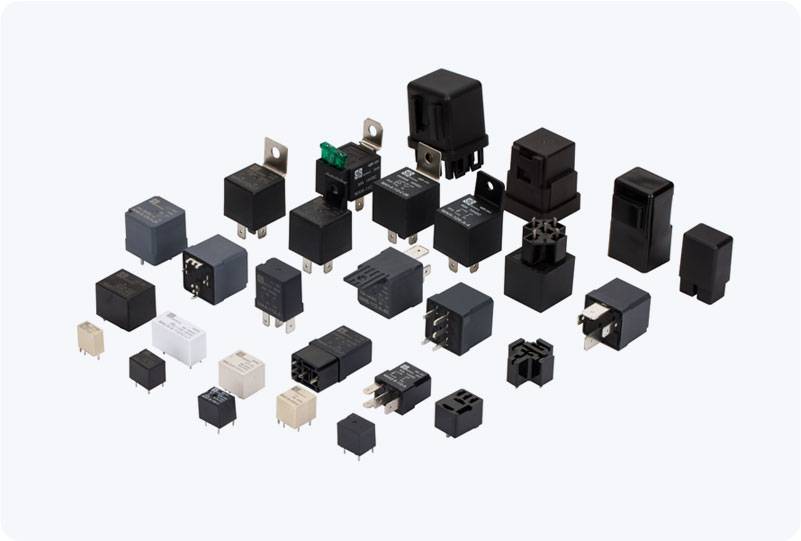
What is an AC Motor Relay? An AC motor relay is an electrical switch designed to control the operation of an alternating current (AC) motor. It allows the motor to be turned on or off based on the input signals, such as voltage or temperature. The relay plays a crucial role in automating motor functions and ensuring that the motor operates within safe parameters. It is often integrated into motor control circuits alongside other protective components like circuit breakers, overload protectors, and contactors. Key Functions of AC Motor Relays Motor Start and Stop Control One of the primary functions of an AC motor relay is to manage the start and stop sequences of a motor. When the relay receives a signal from the control system, it closes the circuit, allowing the motor to start. Similarly, when the motor needs to stop, the relay opens the circuit, cutting off the power supply to the motor.