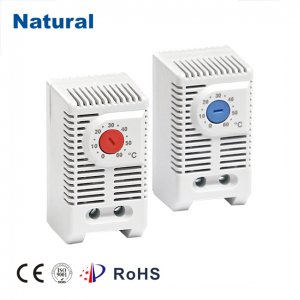
In today’s world, managing energy consumption efficiently is crucial, and one of the most effective ways to achieve this is through the use of control panel thermostats. These devices are a key component in modern HVAC (Heating, Ventilation, and Air Conditioning) systems, offering both convenience and energy savings for homeowners and businesses alike. But what exactly is a control panel thermostat, and how does it work? In this article, we’ll explore the functionalities, benefits, and types of control panel thermostats.
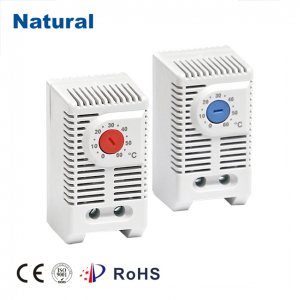
What is a Control Panel Thermostat?
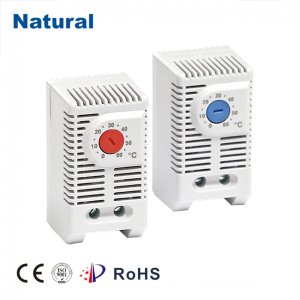
A control panel thermostat is a device that regulates the temperature of your home or office by controlling the HVAC system. This system can be responsible for heating or cooling spaces to maintain an ideal indoor climate. The control panel itself often features a user-friendly interface that displays the current temperature, allows users to set their desired temperature, and manages the operation of the system. These thermostats are integral to maintaining a comfortable living or working environment, as they ensure that the temperature is neither too hot nor too cold, thereby contributing to overall comfort and well-being.