The 220V AC relay is an essential component in both industrial and residential electrical systems, offering a reliable way to control high-voltage circuits using low-power signals. Essentially, a relay is an electromechanical switch that operates by energizing a coil to create a magnetic field, which then moves a set of contacts to either open or close a circuit. Among various types of relays, the 220V AC relay is specifically designed to operate on a 220-volt alternating current supply, making it particularly suitable for standard household and industrial applications in many countries.
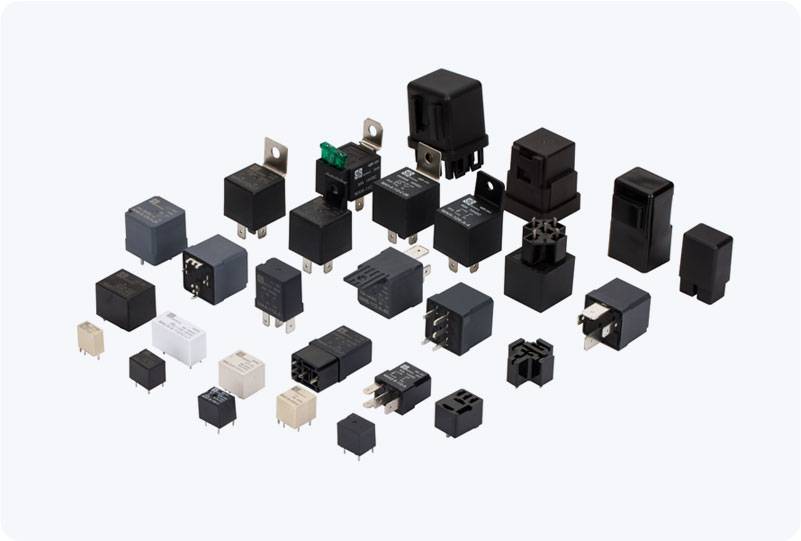
The primary structure of a 220V AC relay consists of a coil, an iron core, an armature, contacts, and a return spring. When the coil is energized by a 220V AC input, the magnetic field attracts the armature, causing the normally open contacts to close and the normally closed contacts to open. This mechanical movement allows the relay to switch larger electrical loads without requiring direct physical interaction, providing both safety and convenience. The return spring ensures that the relay returns to its default state when the coil is de-energized, maintaining system reliability. One of the most significant advantages of the 220V AC relay is its ability to isolate the control circuit from the high-power load circuit. This isolation protects sensitive low-voltage control components, such as microcontrollers or switches, from the dangers of high voltage. It also allows remote operation of electrical devices, which is highly beneficial in automation and smart home applications. For example, a 220V AC relay can be used to control lighting systems, electric fans, water pumps, and heating equipment, all from a low-voltage control panel.