In industrial settings, safety is paramount. Every year, millions of workers are injured or killed due to accidents caused by the improper handling of machinery or equipment. One crucial safety practice that significantly reduces these risks is the Lockout/Tagout (LOTO) procedure, which involves the use of specialized tools such as LOTO padlocks. These locks are specifically designed to secure machinery and electrical systems during maintenance or servicing, preventing accidental start-ups and potential injuries. This article will explore the significance of Loto padlocks, their features, and how they contribute to workplace safety.
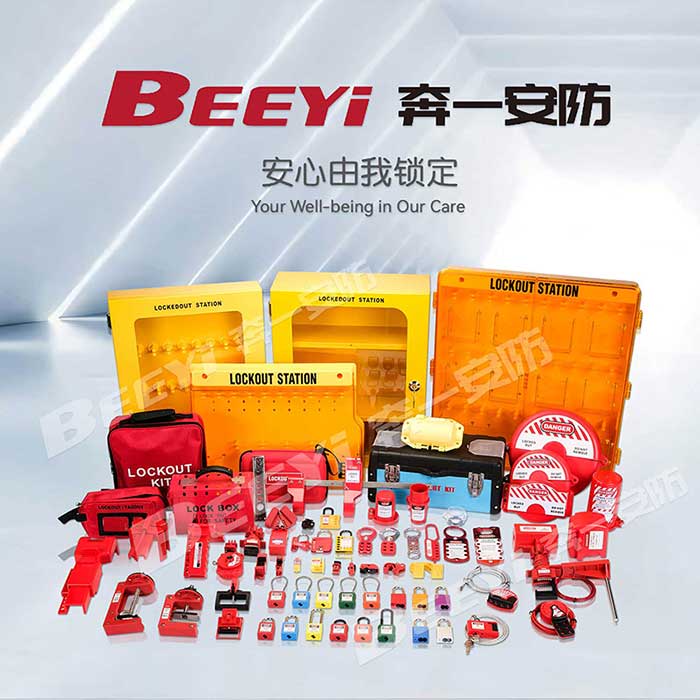
What is a Loto Padlock? A LOTO padlock is an essential tool used in the Lockout/Tagout procedure. The term “Lockout” refers to the physical locking of energy-isolating devices, such as circuit breakers, switches, and valves, to ensure that machinery or equipment cannot be operated while workers are servicing it. “Tagout” involves attaching a warning tag that notifies others that the equipment is not to be used. The Loto padlock is a specialized lock designed for this purpose. It is often used in combination with a tag to warn workers that a piece of equipment is inoperative. These locks are typically made from non-conductive, durable materials to ensure that they are safe and effective in any industrial environment.