A Low Voltage Solenoid Valve is a crucial component in modern automation and control systems, widely used for regulating the flow of liquids and gases. It operates based on the principle of electromagnetic force, offering a reliable solution for both industrial and residential applications. These valves work by utilizing a low-voltage electrical current to create a magnetic field that either opens or closes the valve, controlling the flow of fluids or gases. Low voltage versions, typically operating at 24V or even lower voltages, offer significant advantages over their high-voltage counterparts, particularly in terms of safety, energy efficiency, and application versatility.
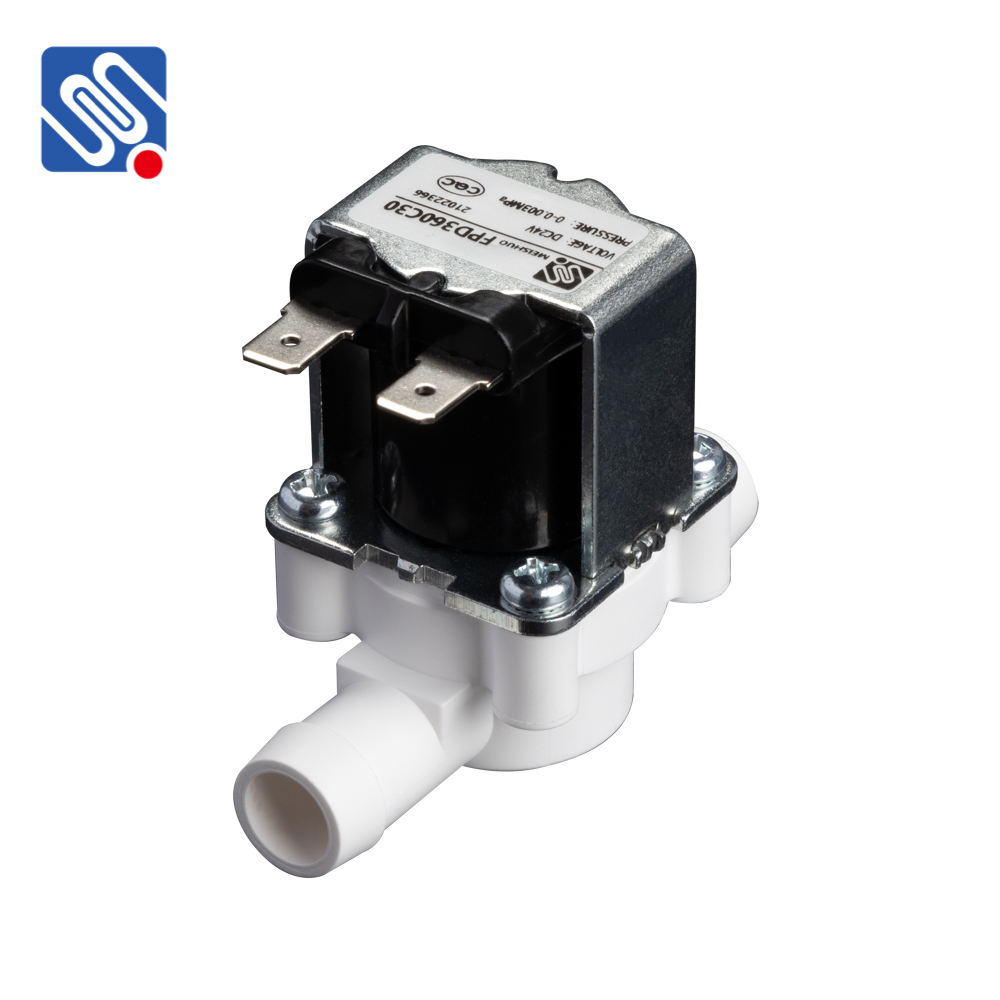
Working Principle of Low Voltage Solenoid Valve The core principle behind the Low Voltage Solenoid Valve involves an electromagnetic coil that generates a magnetic field when electricity passes through it. This magnetic field interacts with the armature, a movable component connected to the valve seat, causing it to either open or close the valve. When the coil is energized, the magnetic field pulls the armature away from the valve seat, allowing fluid to flow through. Conversely, when the coil is de-energized, the armature returns to its resting position, closing the valve and stopping the flow.