The advent of the fifth generation of mobile networks, commonly known as 5G, promises to revolutionize connectivity, bringing faster speeds, lower latency, and improved capacity. Among the critical components enabling this transformation is the 5G base station relay. This article delves into the role of base station relays in 5G architecture, their functions, challenges, and future prospects, highlighting their significance in achieving seamless and robust wireless communication.
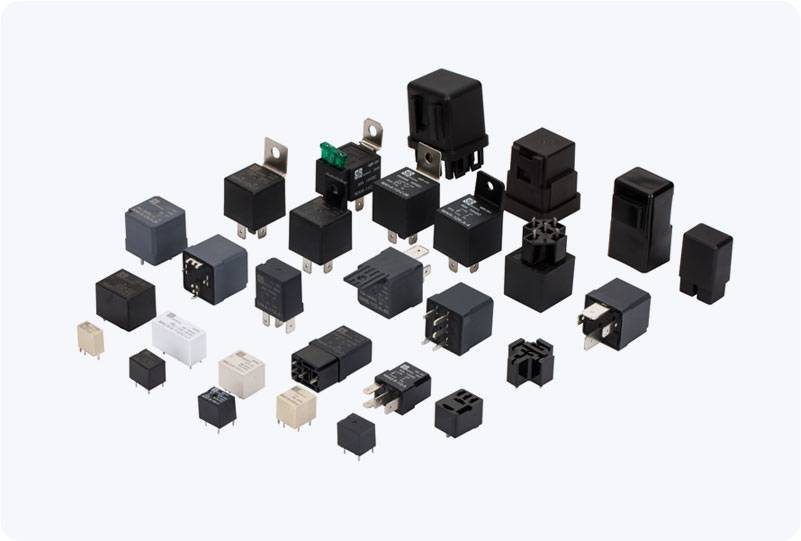
The Concept of 5G Base Station Relay A 5G base station relay serves as an intermediary device that enhances the performance and coverage of a 5G network. By receiving signals from a base station and retransmitting them, relays play a vital role in bridging the gaps where direct communication with the main base station is challenging. This is especially crucial in areas with high user density or challenging terrain that hinders signal propagation. Functions of 5G Base Station Relays Extended Coverage: One of the primary functions of a base station relay is to increase the geographic coverage of the 5G network. In urban environments, especially in densely populated areas with tall buildings, signals may struggle to reach end-users effectively. Relays can extend the reach of base stations, ensuring that users in hard-to-reach areas receive adequate signal strength.