An Electromechanical Relay (EMR) is a fundamental electrical component used to control circuits by switching them on or off in response to an electrical signal. While the technology may seem outdated in the age of solid-state electronics, electromechanical relays remain widely used in various industries due to their simple design, reliability, and ability to handle higher currents than most solid-state devices. In this article, we will explore the principles of operation, types, advantages, and applications of electromechanical relays.
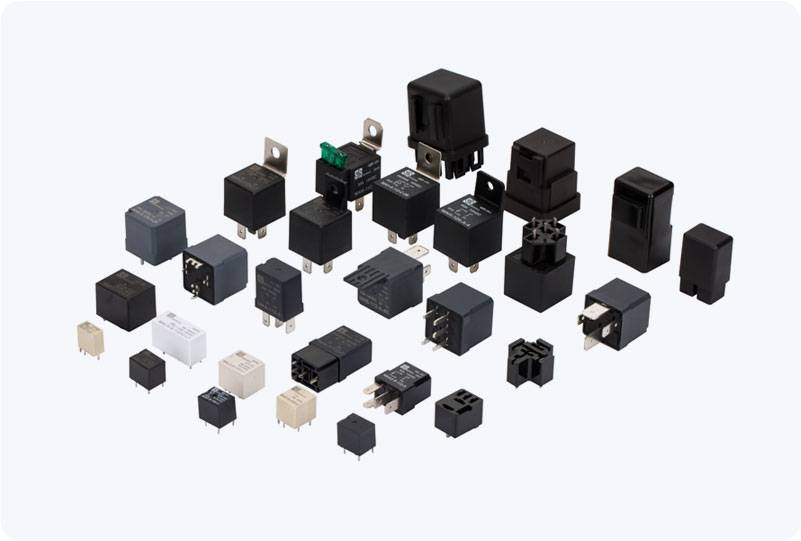
What is an Electromechanical Relay? At its core, an electromechanical relay is a switch that is operated by an electromagnet. The relay works on the principle of electromagnetism: when an electrical current passes through the coil, it generates a magnetic field, which pulls the armature and changes the state of the relay’s contacts. This action allows the relay to control the flow of electricity in another, often higher-powered circuit. Typically, relays consist of a coil (electromagnet), a set of contacts (switches), and a mechanical armature. The coil is energized by an input signal, which causes the armature to move and alter the state of the contacts, either opening or closing the circuit.